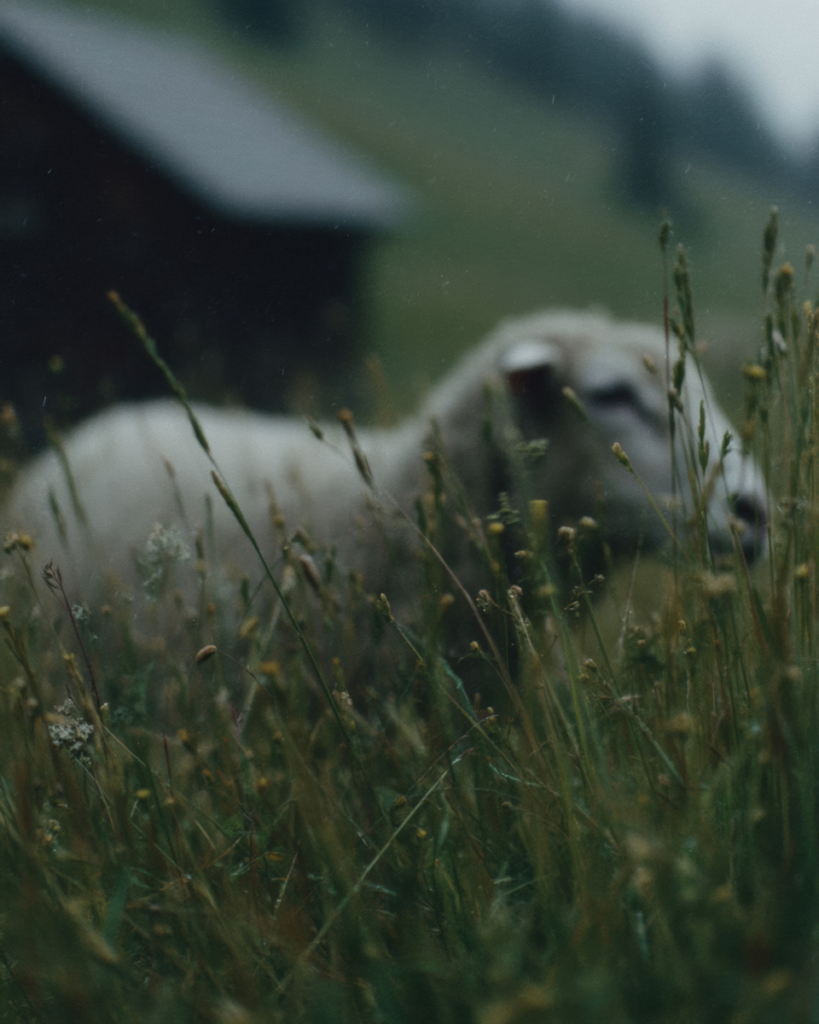
Like Sheep Without a Shepherd
There are some words of Jesus that seem especially at home in the valleys around Rydal Hall. In Matthew’s Gospel, Jesus looks at the crowds with compassion because they are “like sheep without a shepherd.”
Here, that image is more than a metaphor. Shepherding is woven into the life of the fells. Anyone who has spent time with Lakeland farmers knows that good shepherds possess remarkable gifts: they know every contour of the hillside, every change in the weather, every flock’s familiar habits. Recent stories celebrating local shepherds have reminded us that this is work shaped by patience, attentiveness and years of faithful care. At the same time, recent tensions between farming and tourism have shown how deeply people care about this beautiful landscape, even when different responsibilities and expectations collide.
Perhaps Jesus’ words speak most clearly precisely because of this.
We all know moments of feeling like sheep without a shepherd: when grief reshapes the familiar, when the future feels uncertain, or when we long to know where we truly belong. Those experiences are part of being human. Before Jesus offers answers, he offers compassion. He sees people as they are, with tenderness and hope.
That is the heart of the Gospel.
Jesus describes himself as the Good Shepherd because he gathers people into a life of trust, peace and belonging. He knows each of us by name, just as a Lakeland shepherd knows the sheep entrusted to their care. He leads with wisdom, patience and unfailing love. His concern extends across every boundary—resident and visitor, farmer and walker, neighbour and stranger—drawing us into one flock under one Shepherd.
As chaplain here at Rydal Hall, I pray that everyone who comes through these grounds, whether for an hour or a lifetime, might glimpse something of that shepherding love. For in Christ we meet the One who knows every path we walk, calls us by name, and gently leads us home.