Thomas Mawson Gardens
Thomas Mawson Gardens
At Rydal Hall
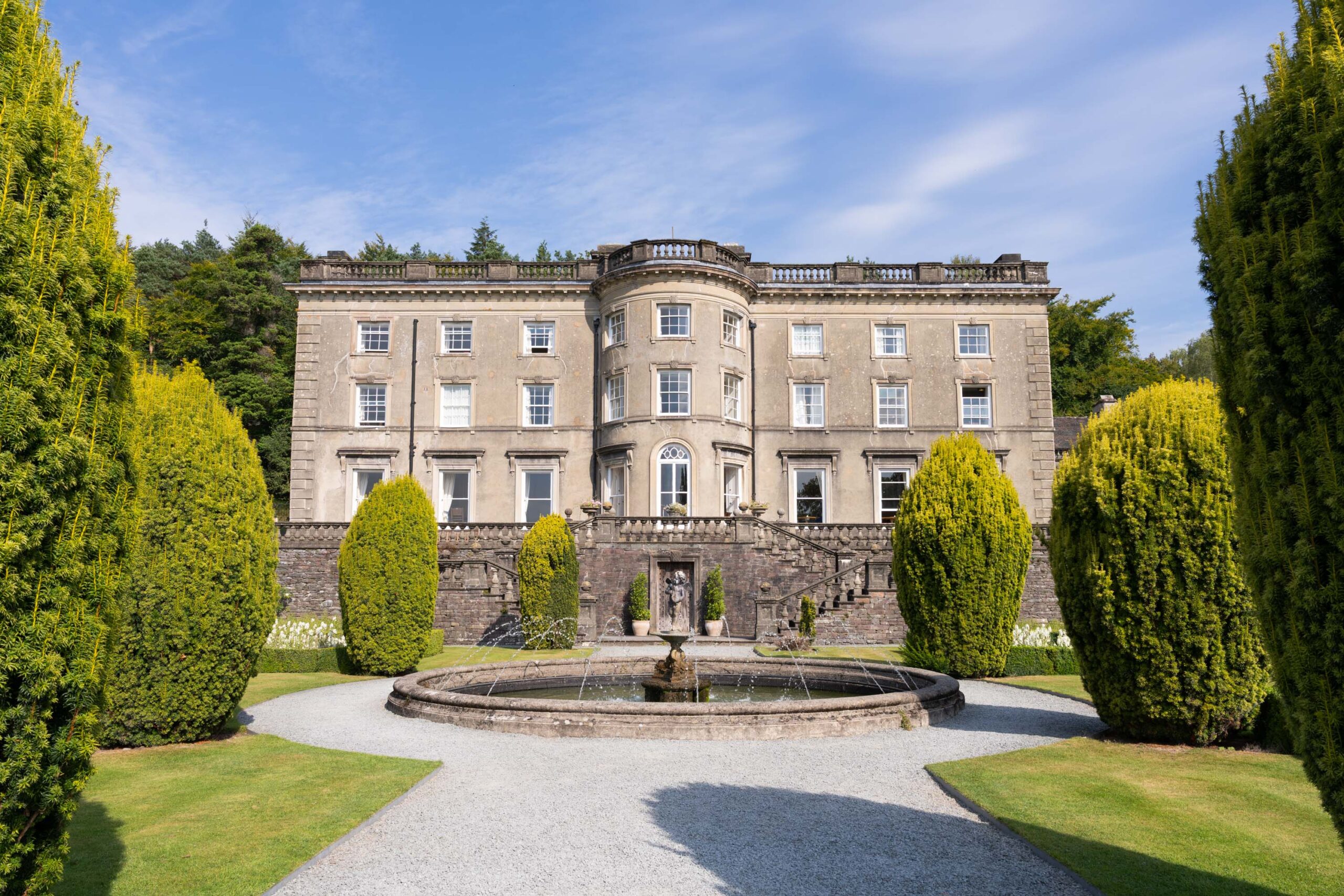
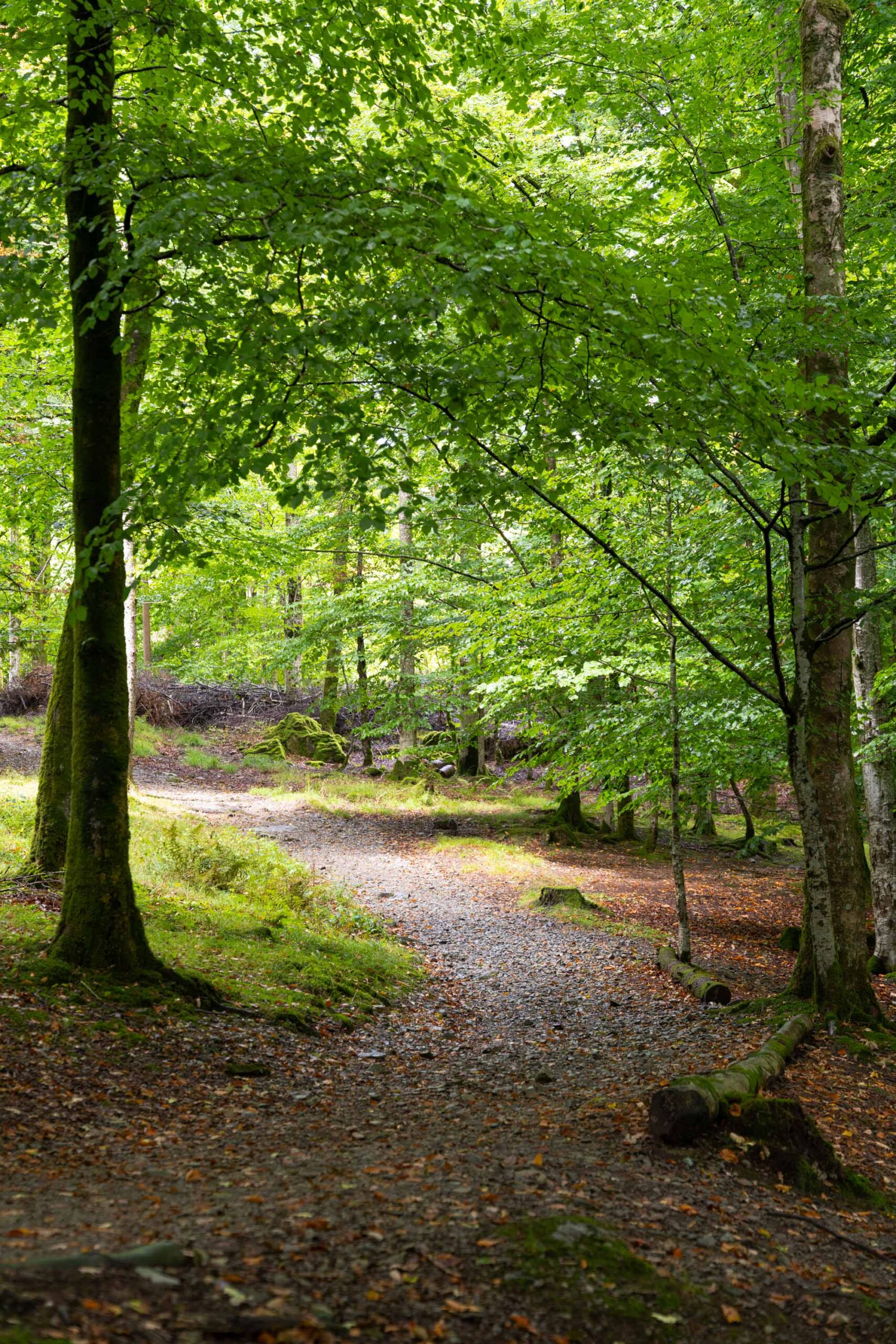
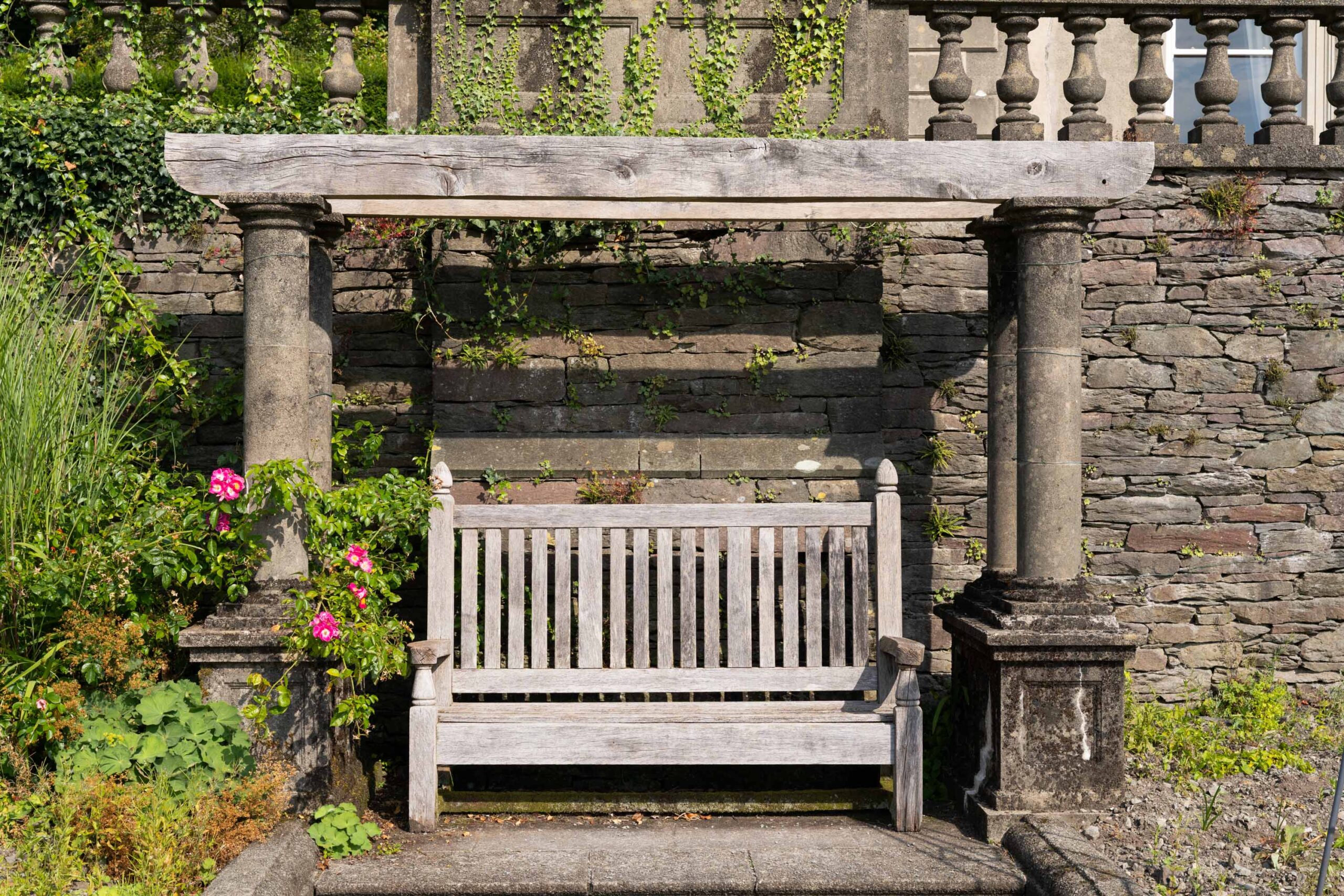
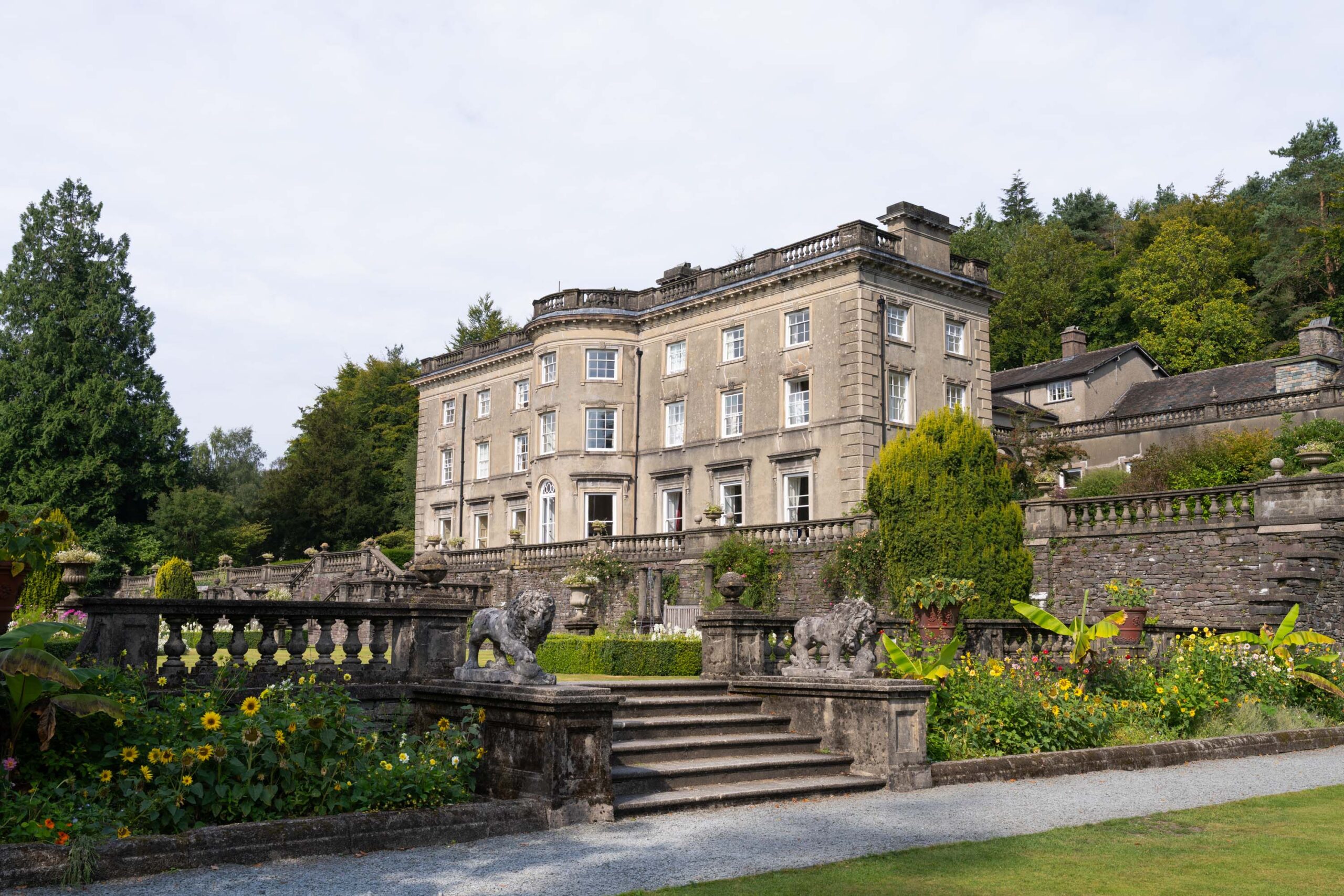
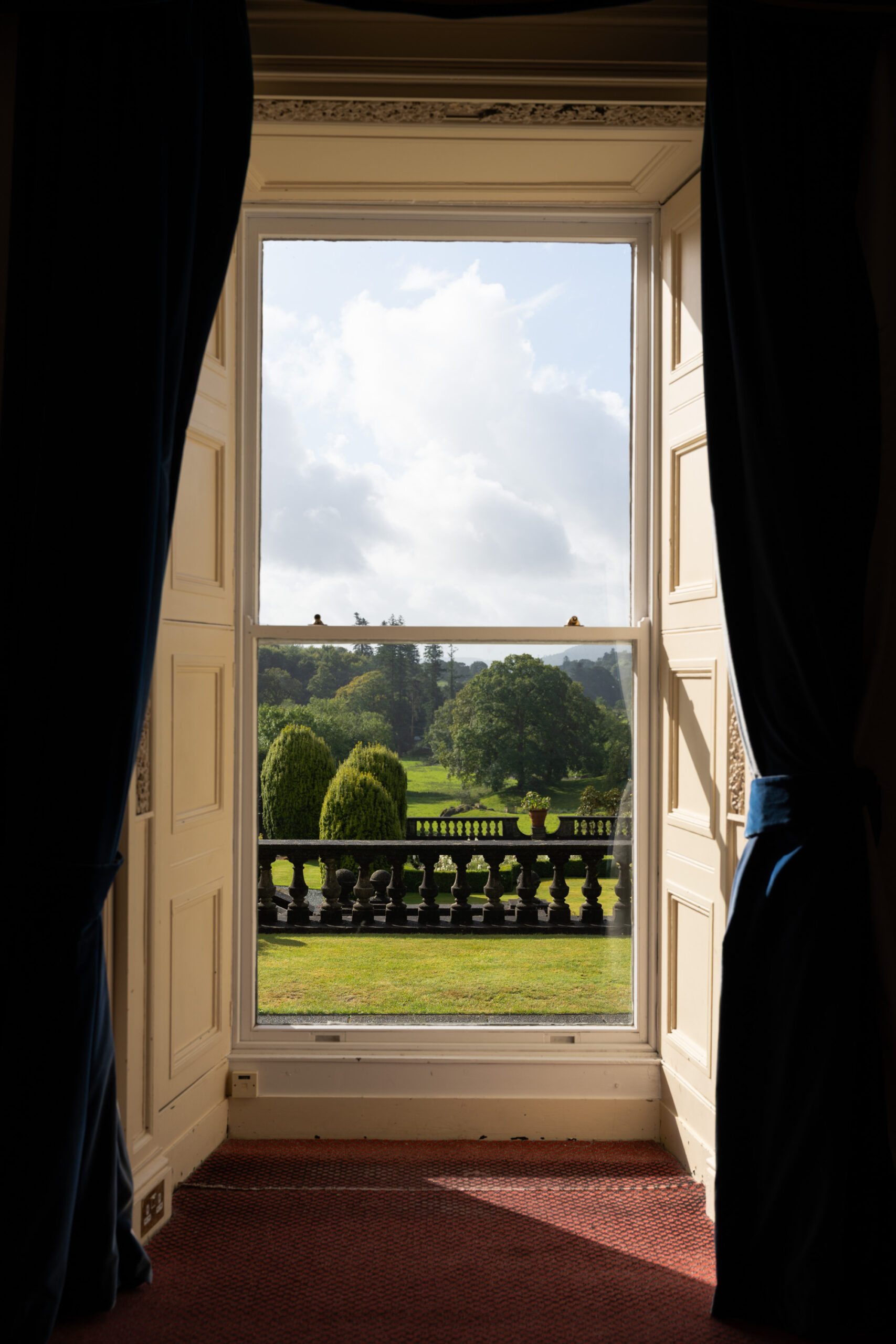
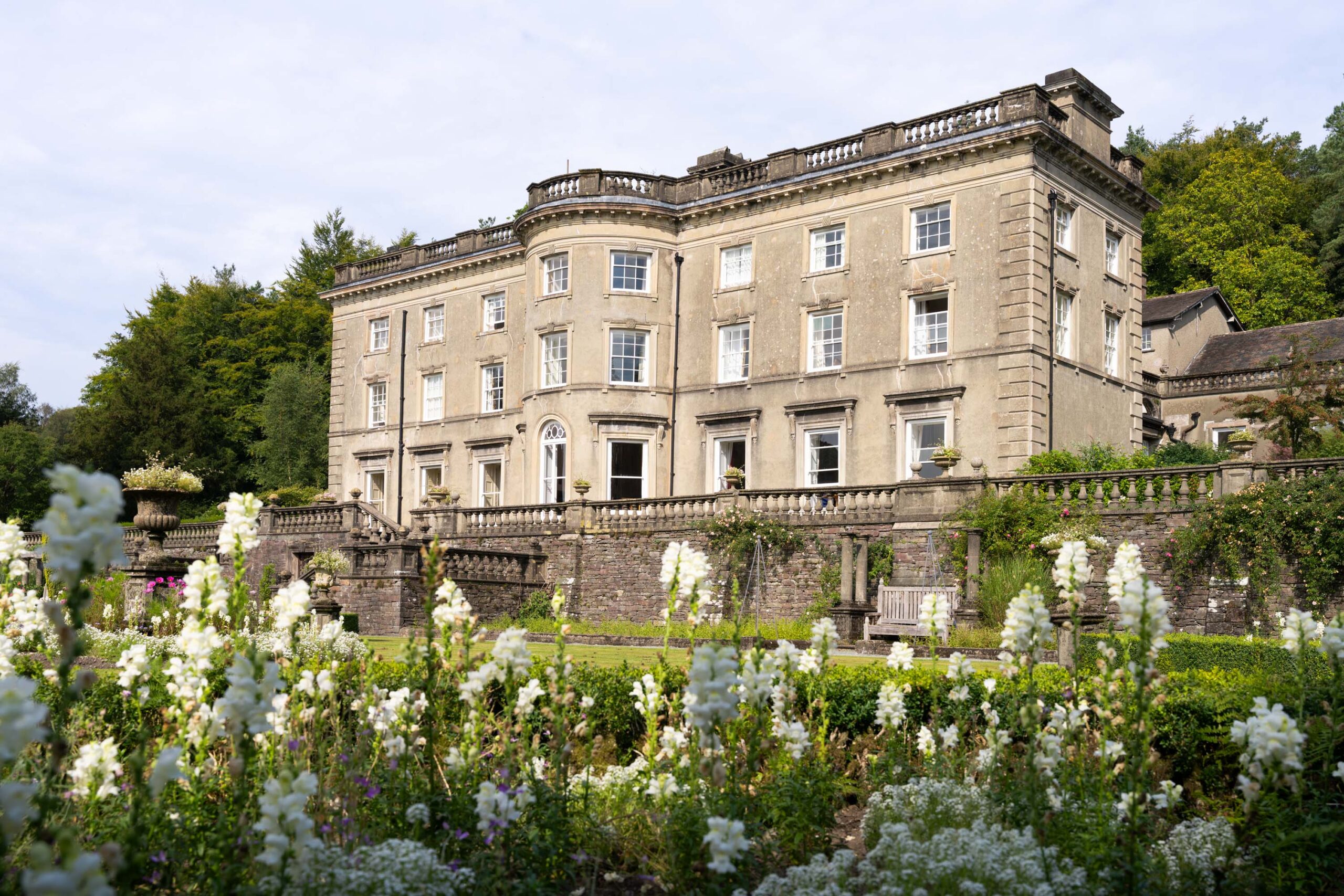
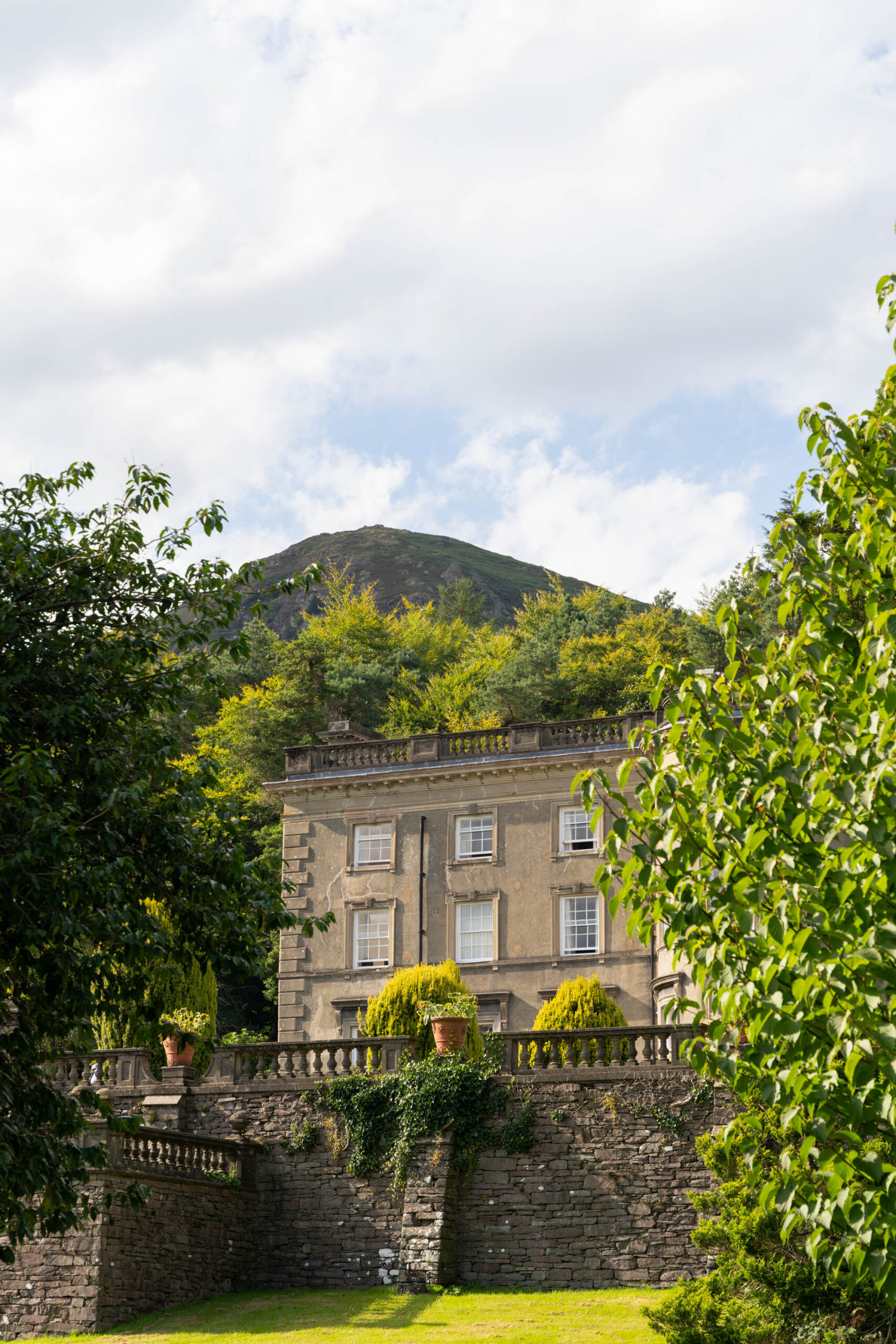
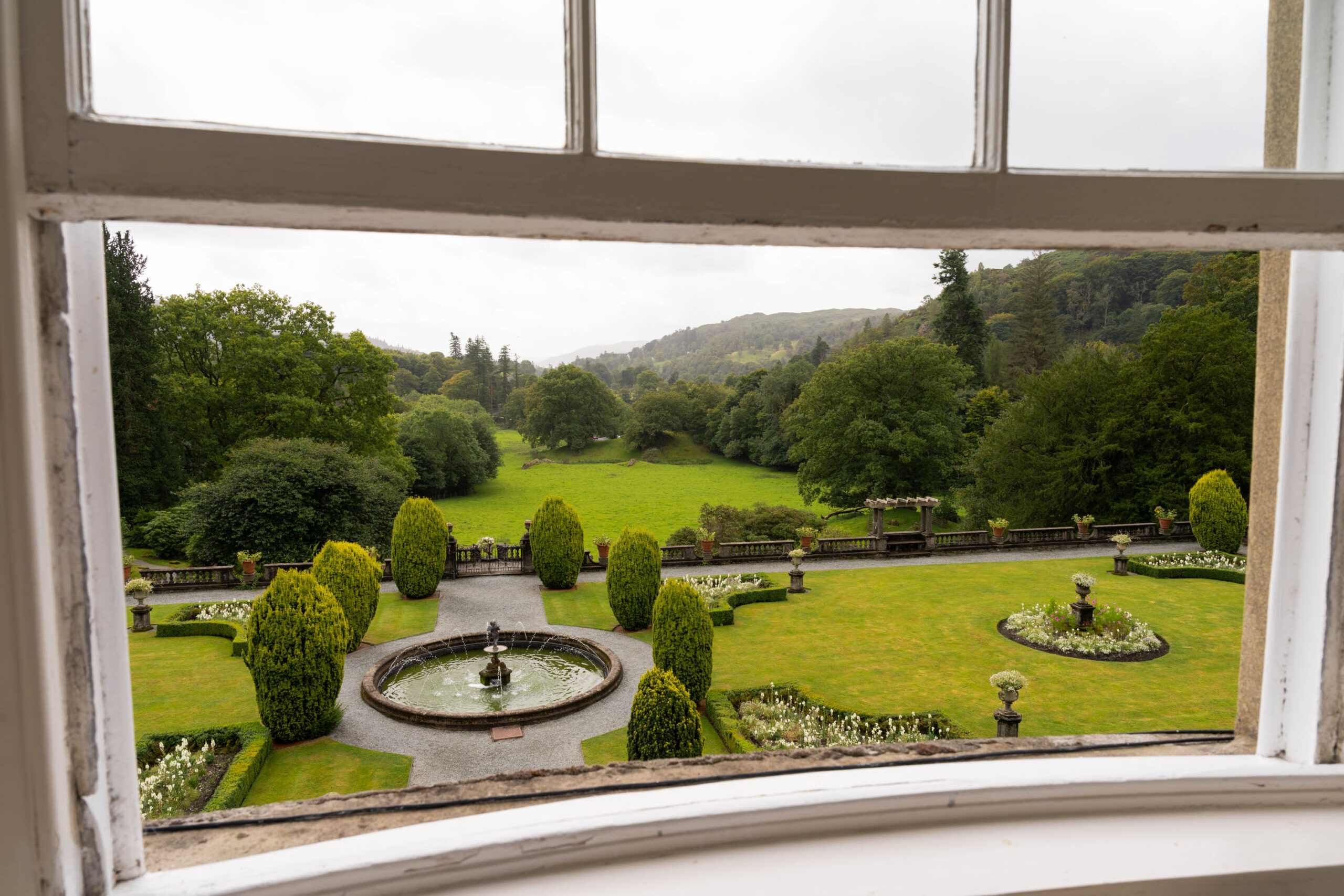
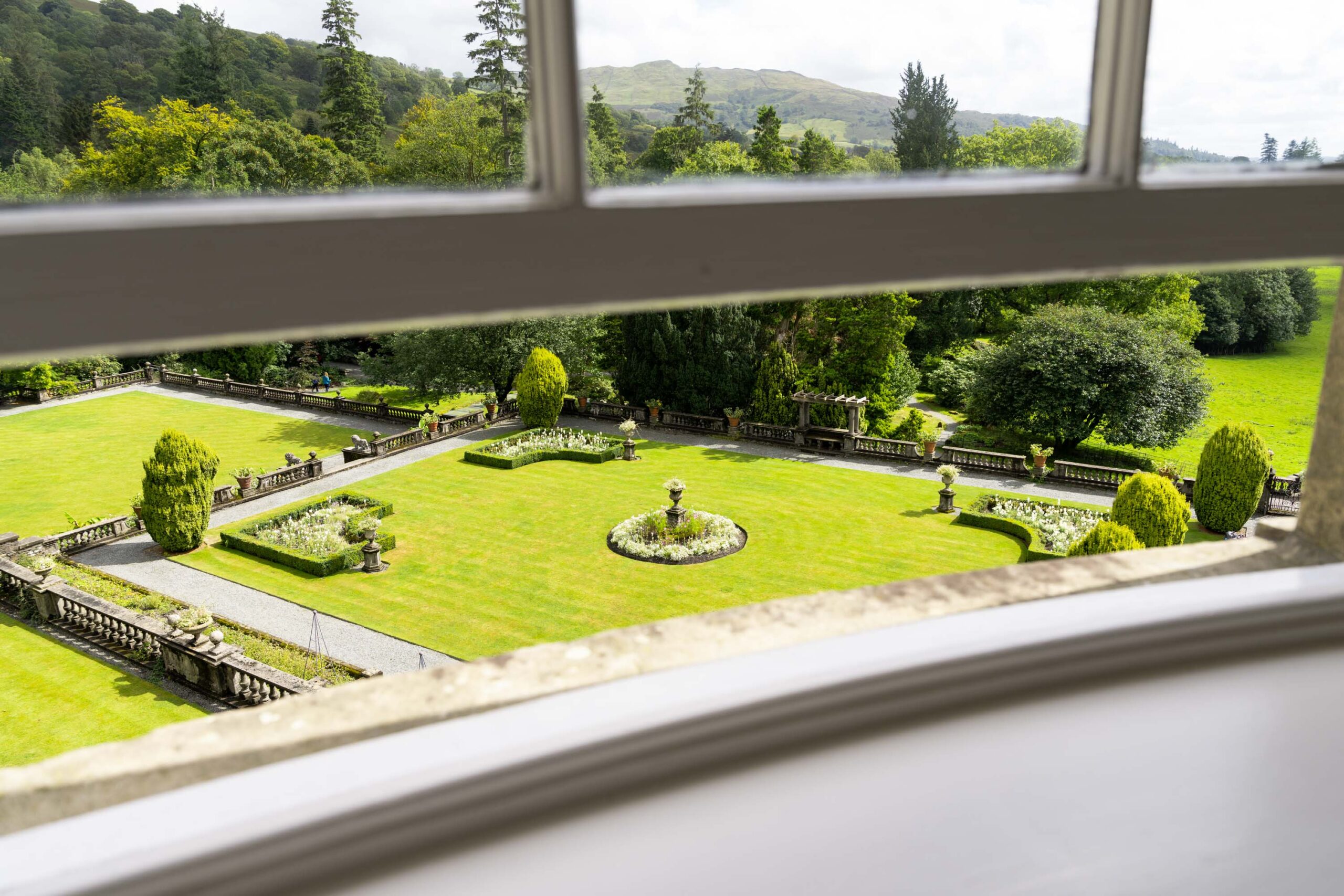
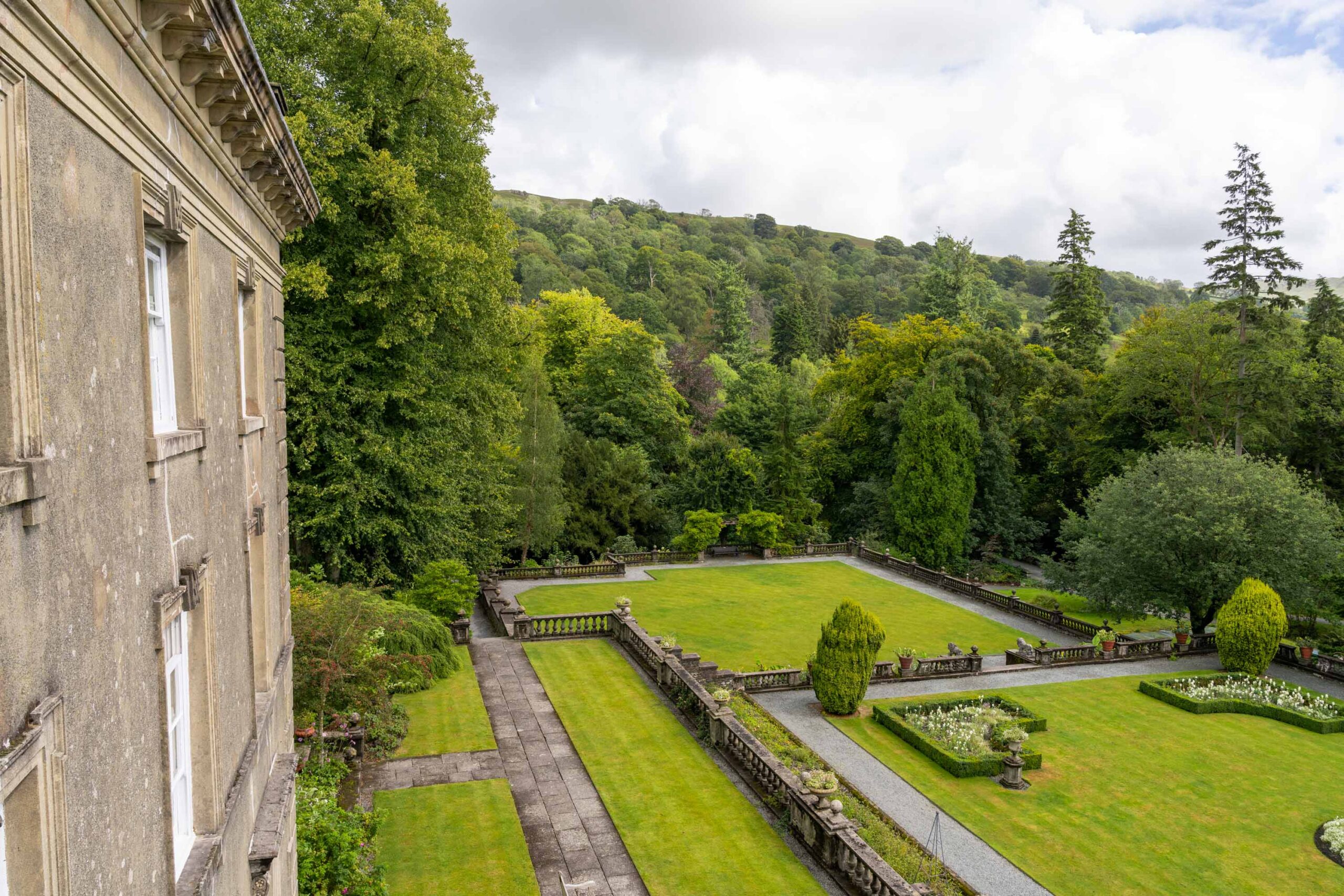
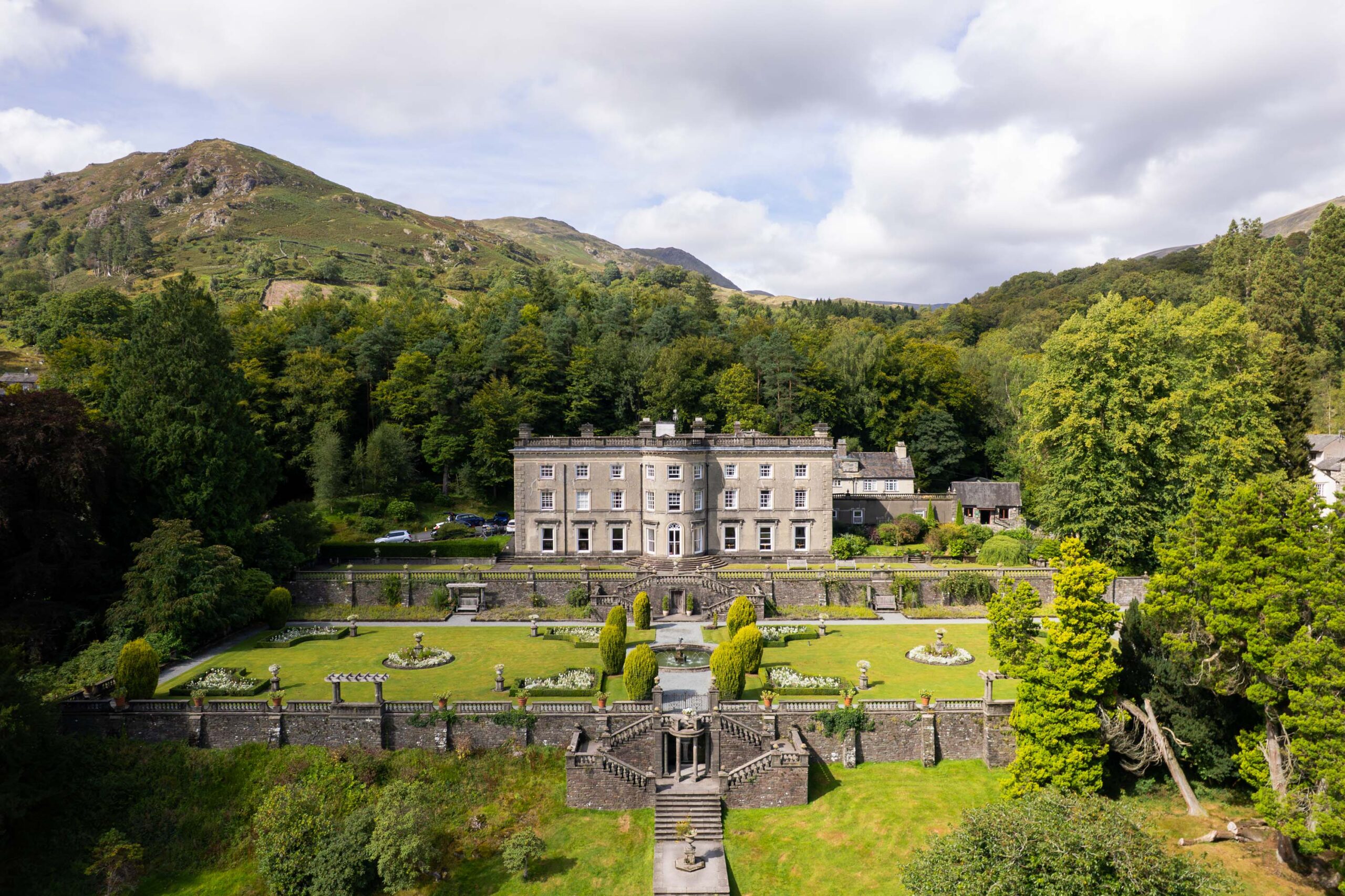
Rydal Hall sits in the heart of the Lake District UNESCO World Heritage Site. Since the 1600s, the estate has grown to include formal gardens, woodlands and iconic landmarks to explore. Renowned landscape architect Thomas Mawson designed the formal gardens, which are a fine example of Arts and Crafts design in a wonderful setting.
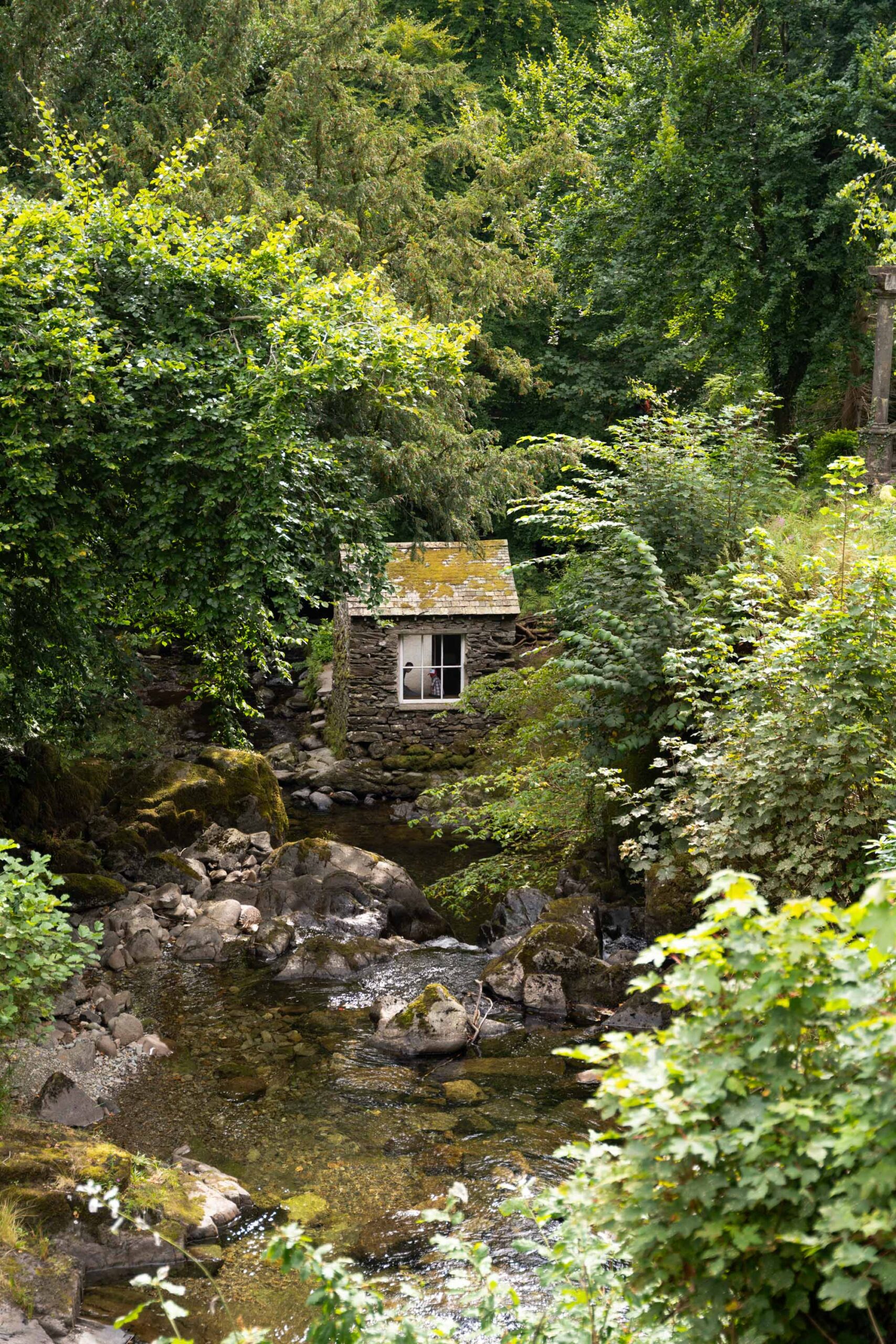
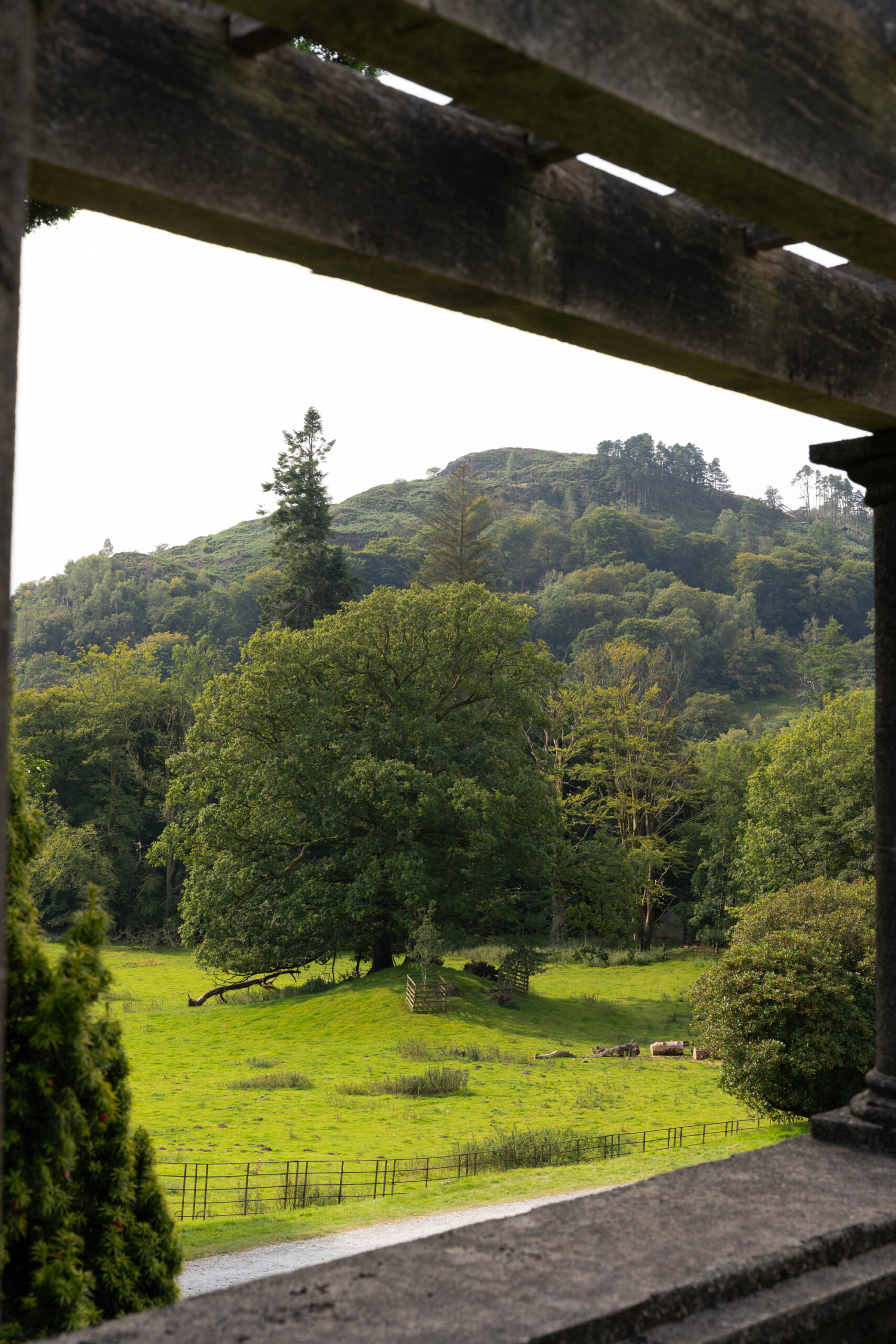
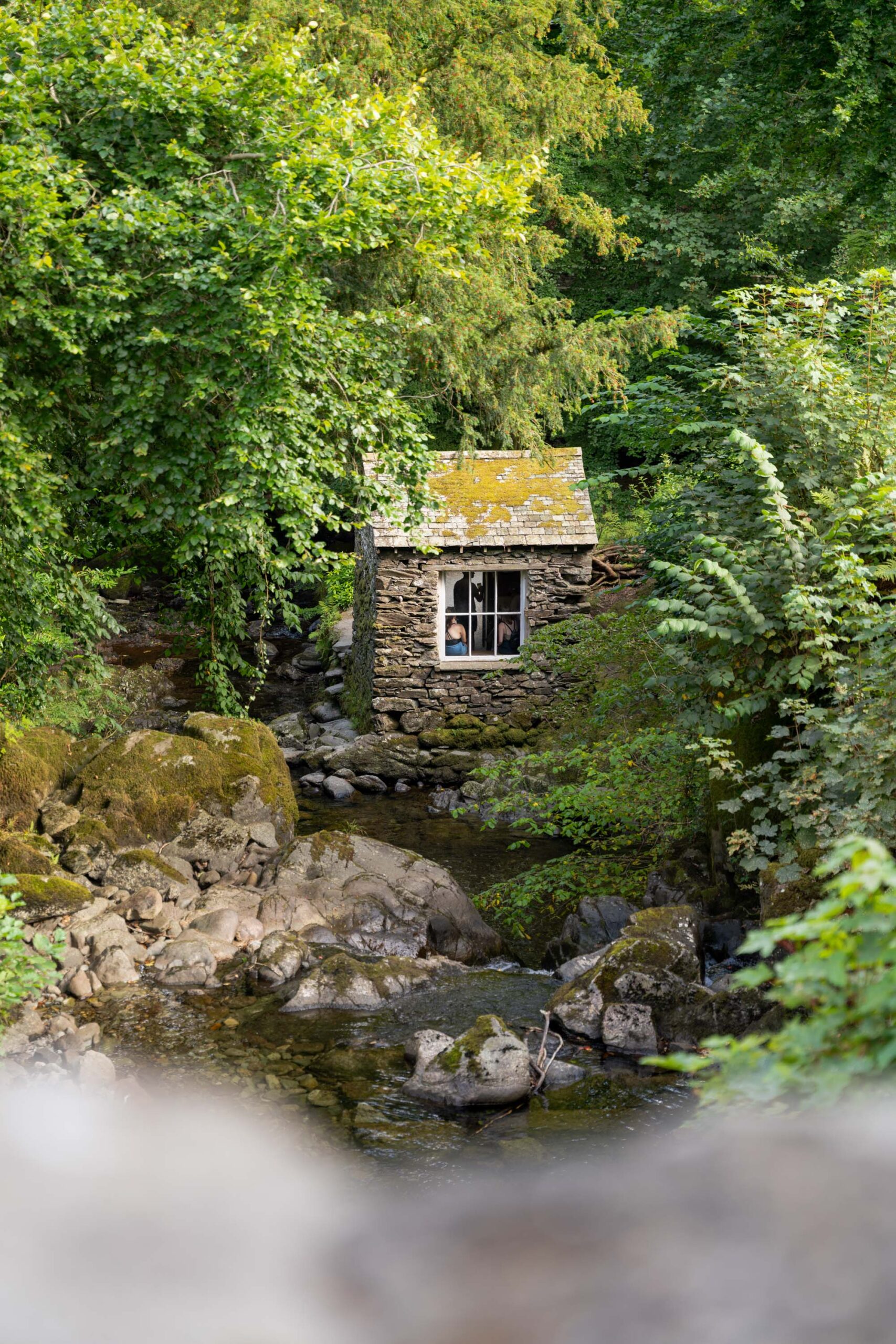
Sir Daniel Fleming built the Grot, or grotto, in 1668 to frame the spectacular Rydal Falls. In fact, it is one of Britain’s earliest examples of a viewing station. William Wordsworth was particularly fond of the Grot. He wrote about it in his early poem ‘An Evening Walk’ and visited with his nephew shortly before his death.
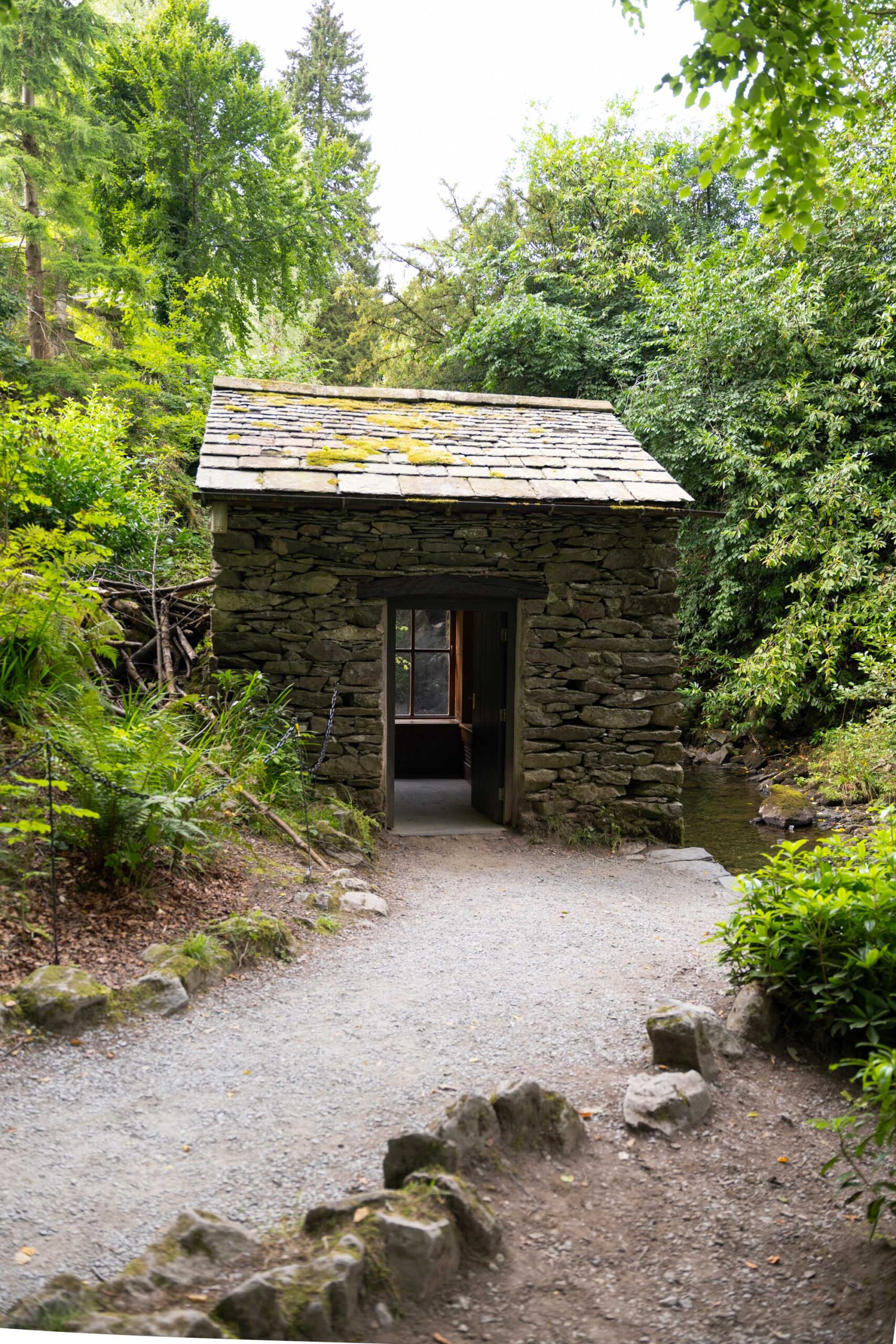
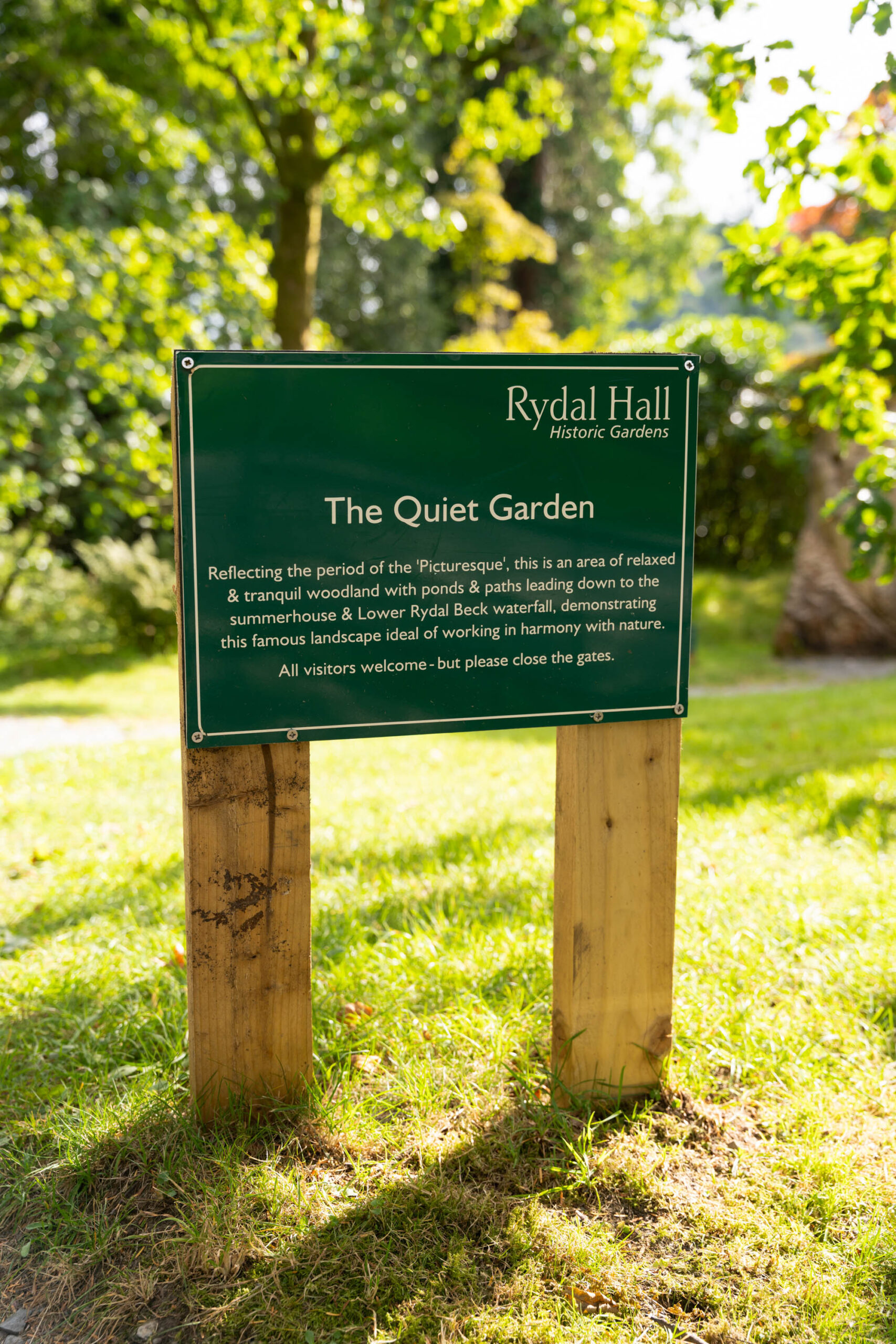
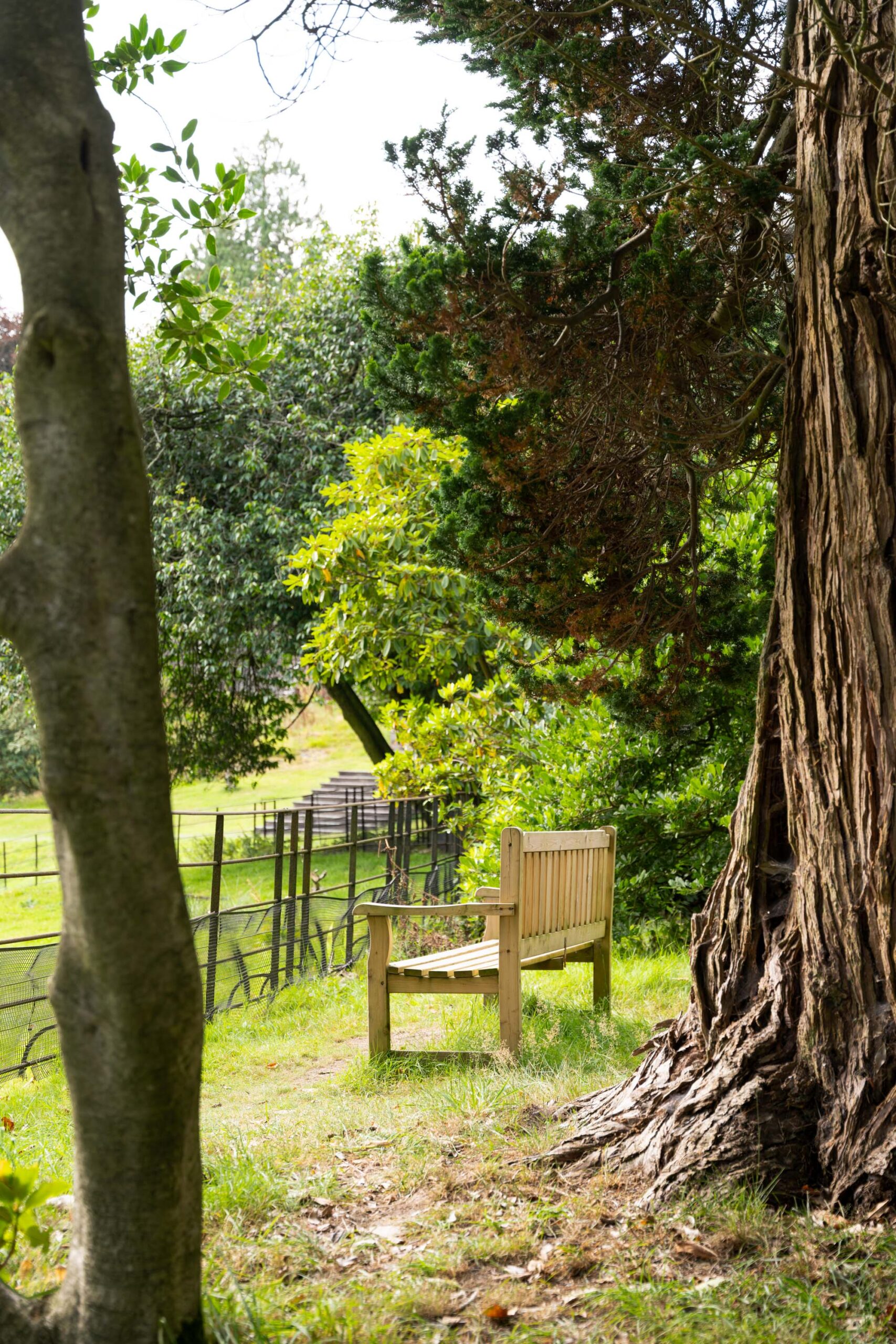
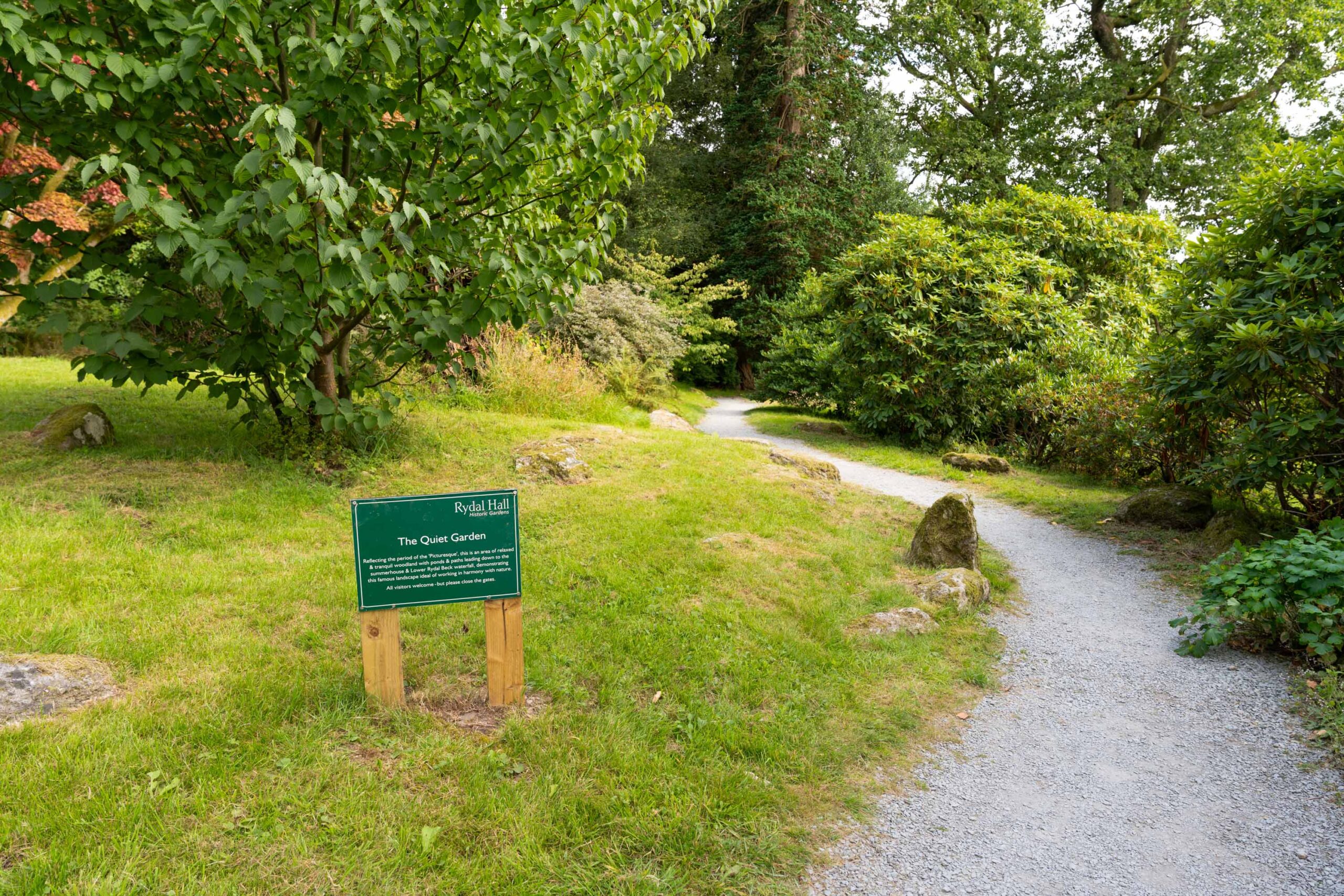
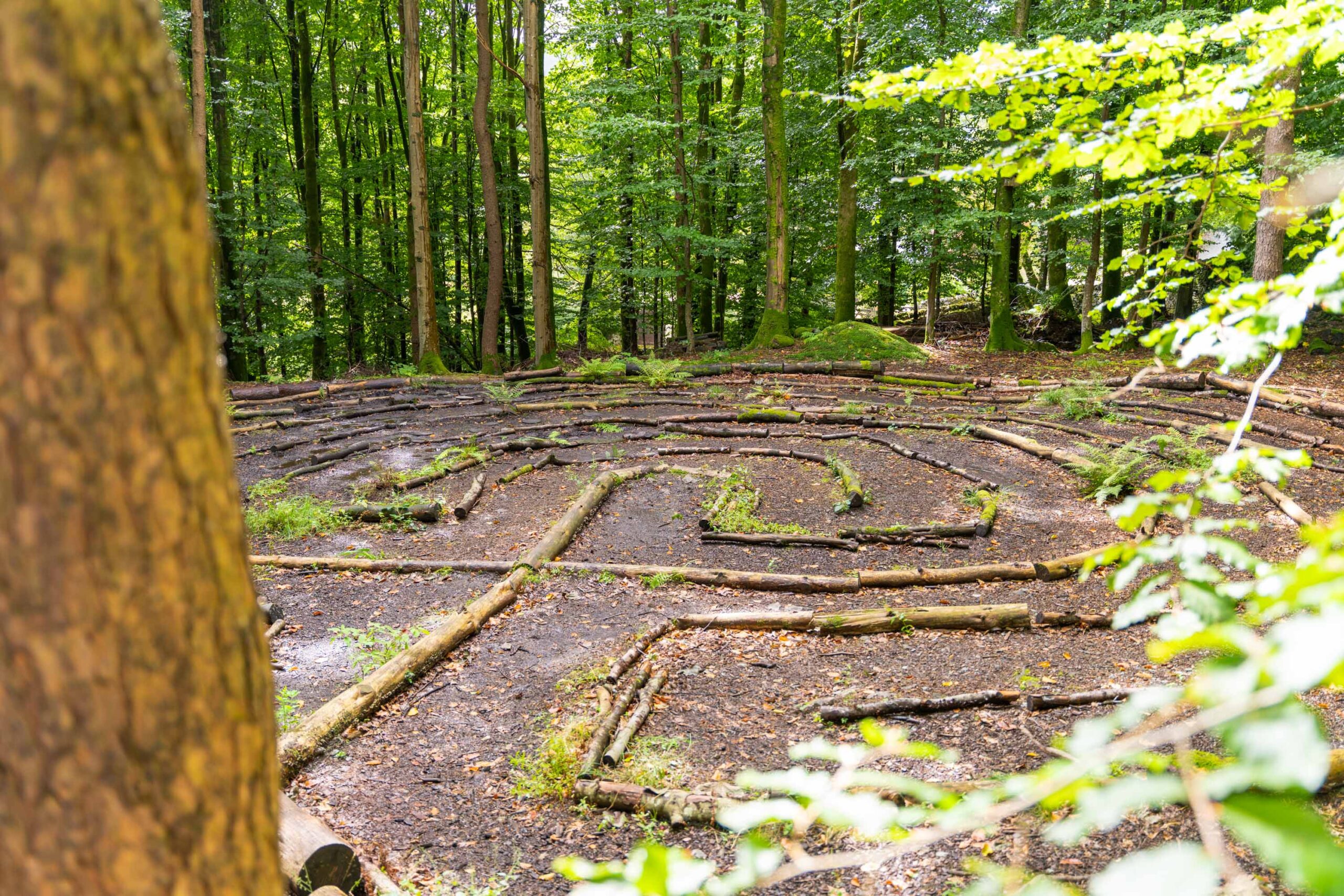
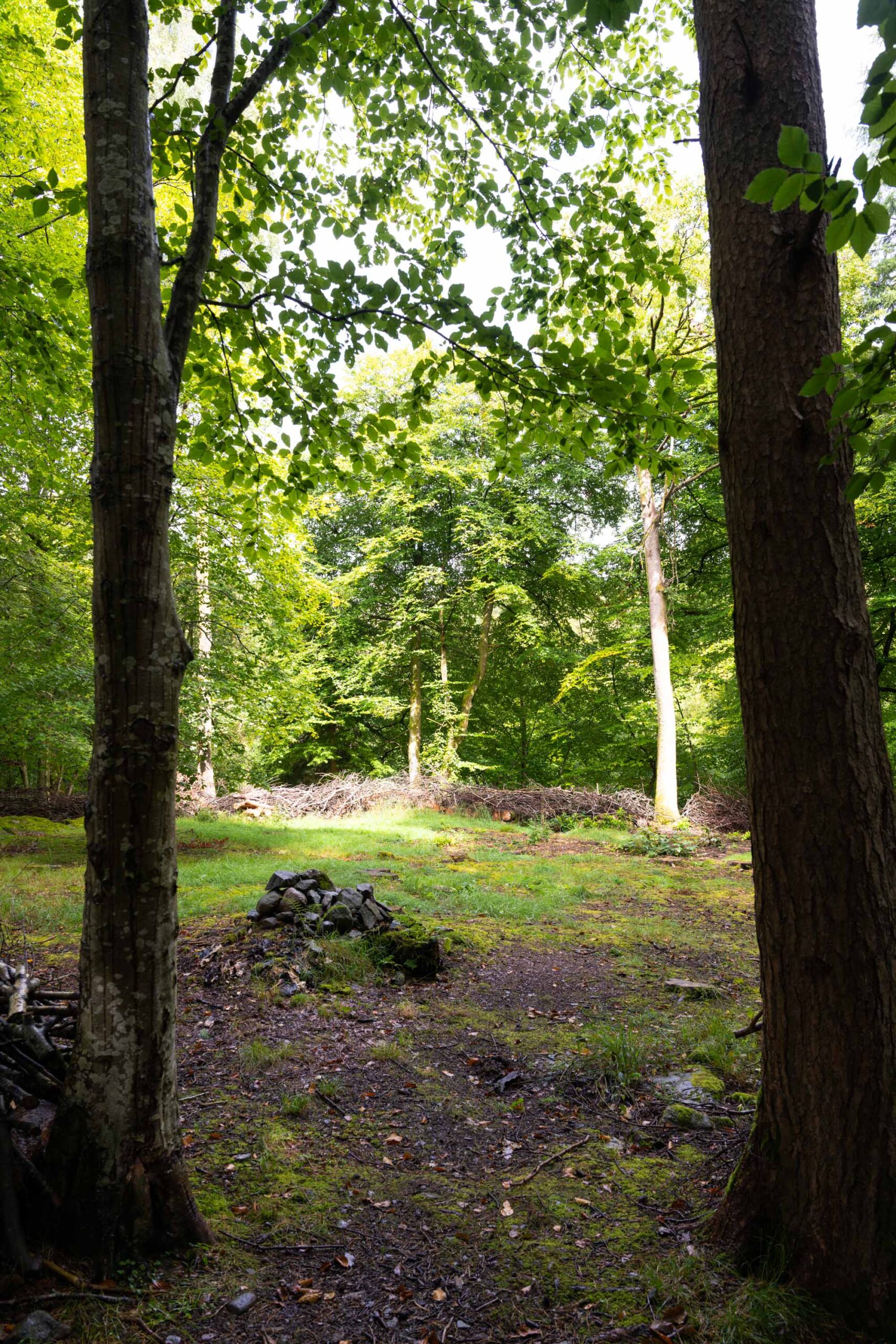
The Quiet Garden is a secluded area of woodland, with ponds and paths leading down to Rydal Beck. It is a place for peace and reflection. However, please note that access to the Formal and Quiet Gardens is limited because of the number of steps.
Opening Hours
The gardens and estate are open daily throughout the year.
Entry Fee
Entry is free. However, we greatly appreciate donations towards garden maintenance and development.
Parking
Day parking is available, although parking at the hall is limited. If you are not staying with us, please pay for parking at reception. Alternatively, the nearest public car park is at Pelter Bridge.
Dogs
Dogs are welcome, but please keep them on a lead because of the animals on the estate. Thank you for helping us keep everyone safe.
Treasures To Be Found
- Red Squirrel Conservation Project
- Rydal Hall estate is part of the Red Squirrel Conservation Project and is home to a diverse range of plants and wildlife. One relic of the Rydal Hall estate - the sweet chestnut tree - is thought to have been part of the original plantings on the estate, dating back over 400 or 500 years depending on who you ask!
- Hydro Electric Power
- Rydal Hall has been generating its own hydro-electric power for over 100 years. The £2m project saw the turbine upgraded, enabling a display of part of the original turbine to be created, which illustrates our commitment to green energy long before it became fashionable.
- Sculptures & Art Instalations
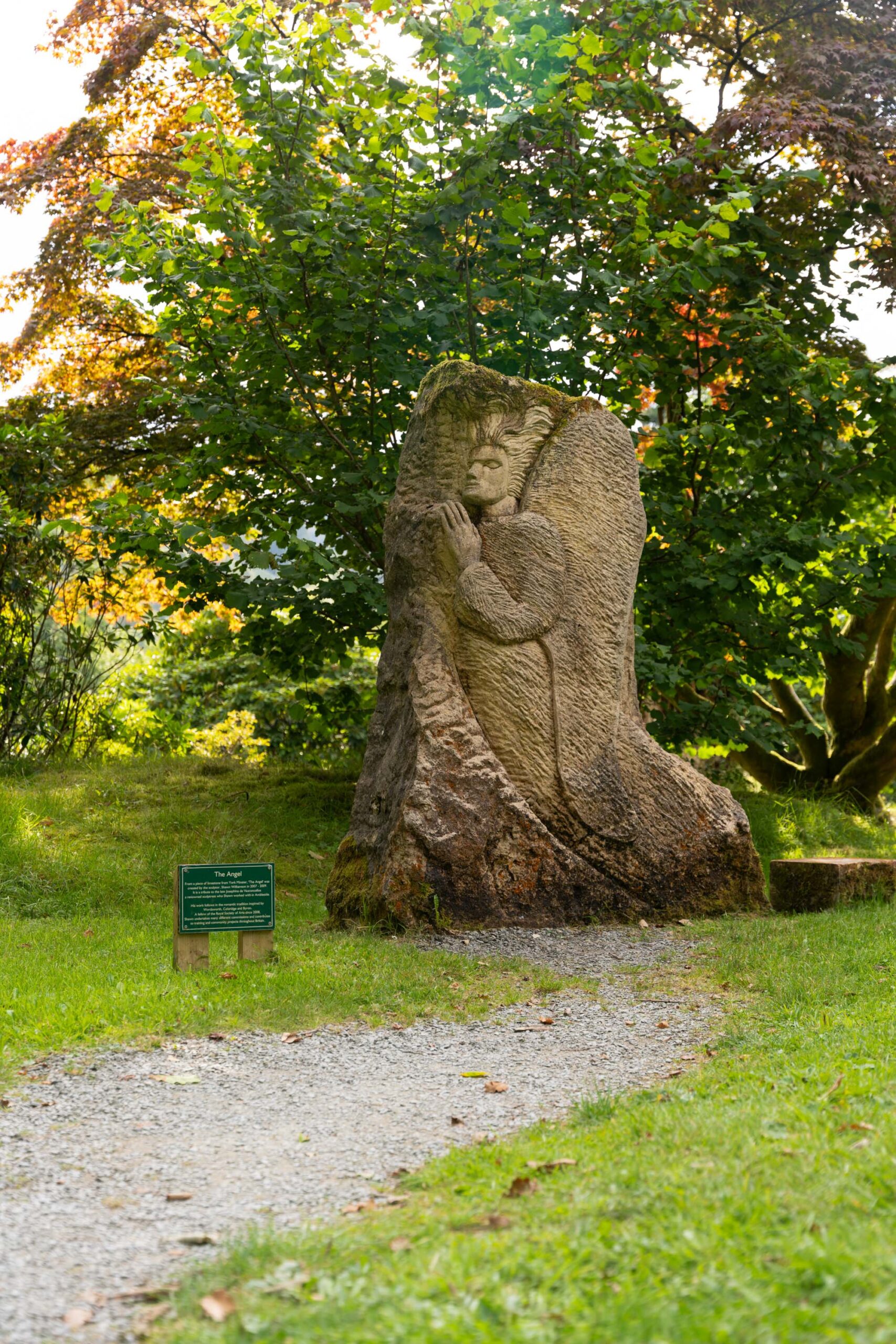
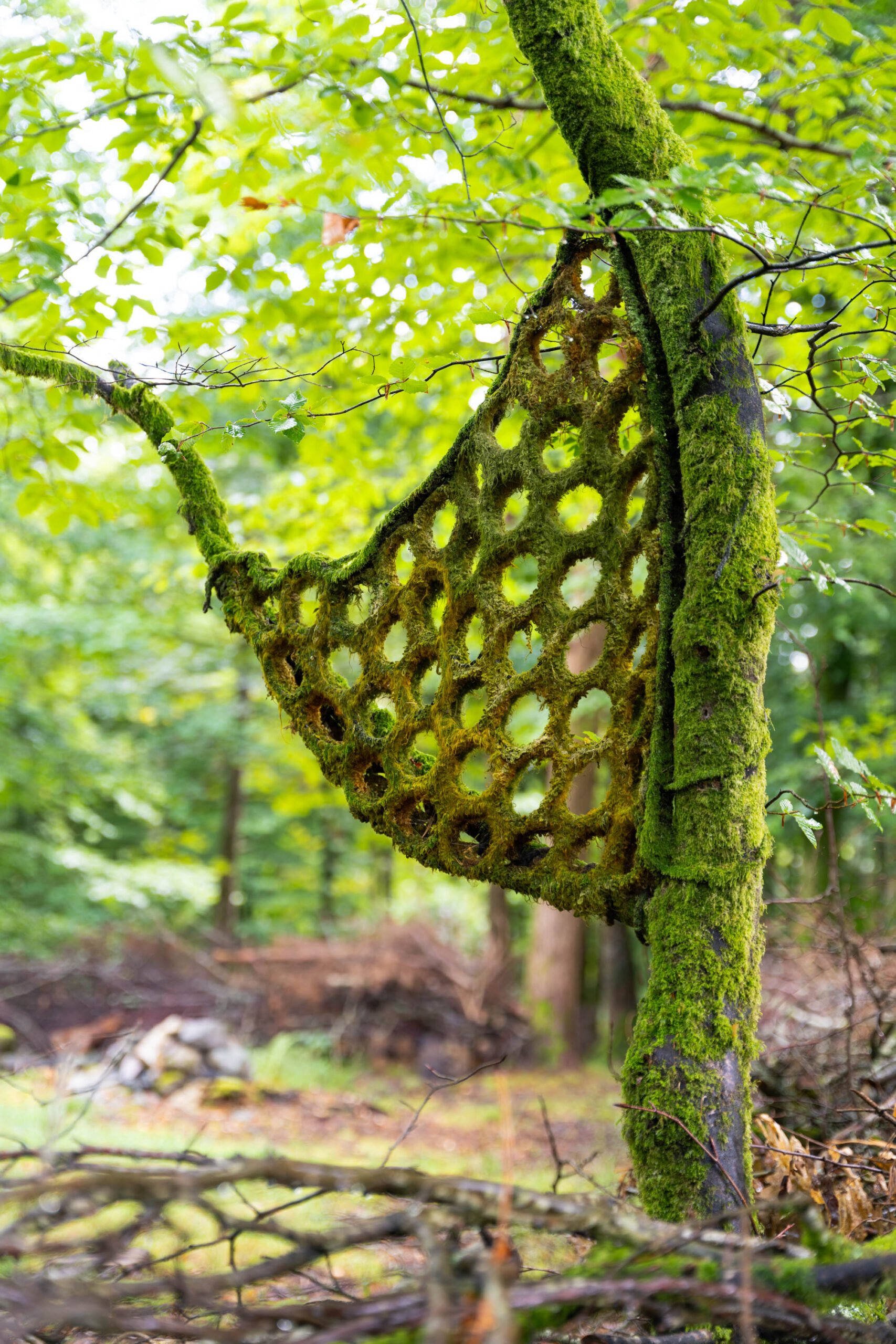
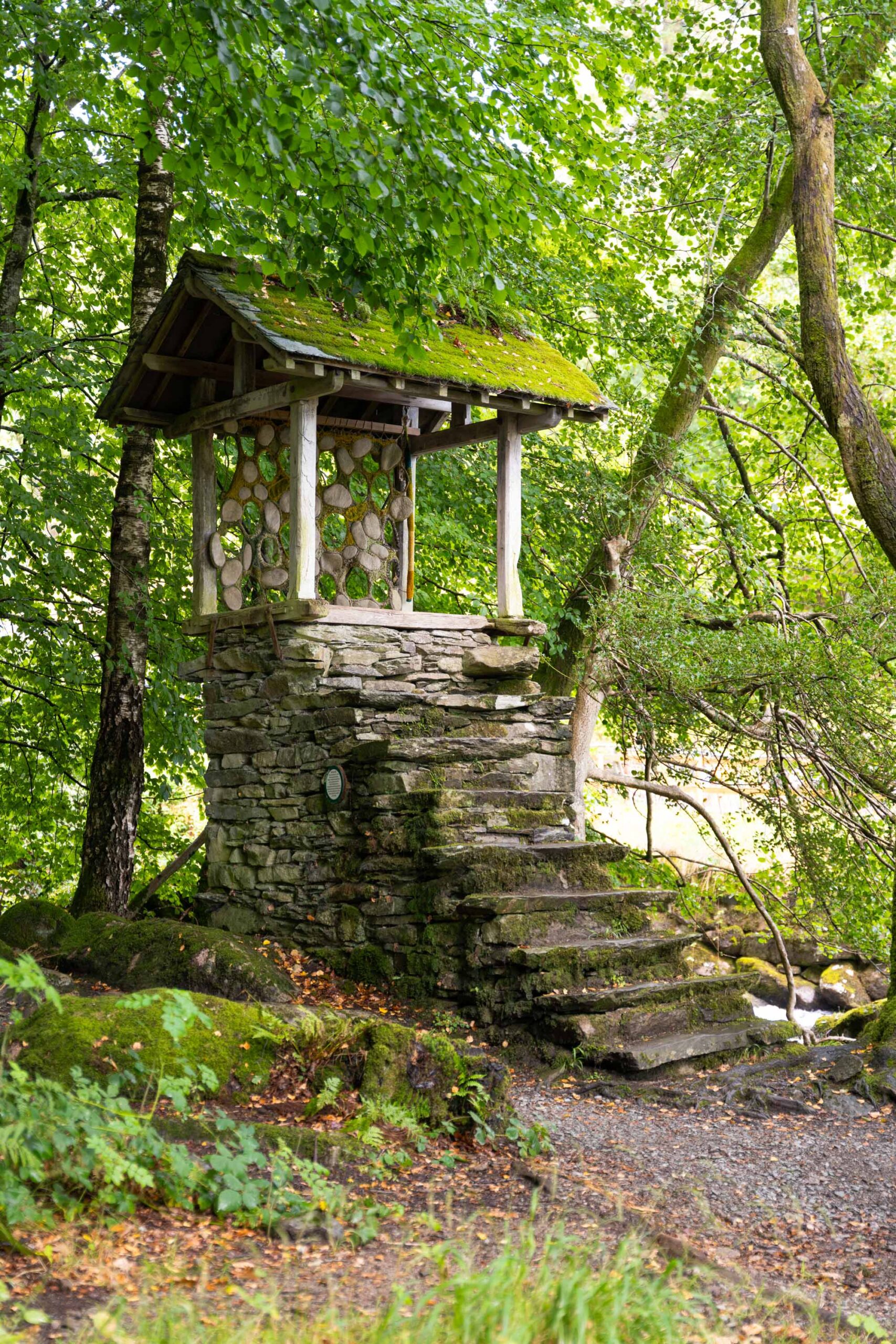
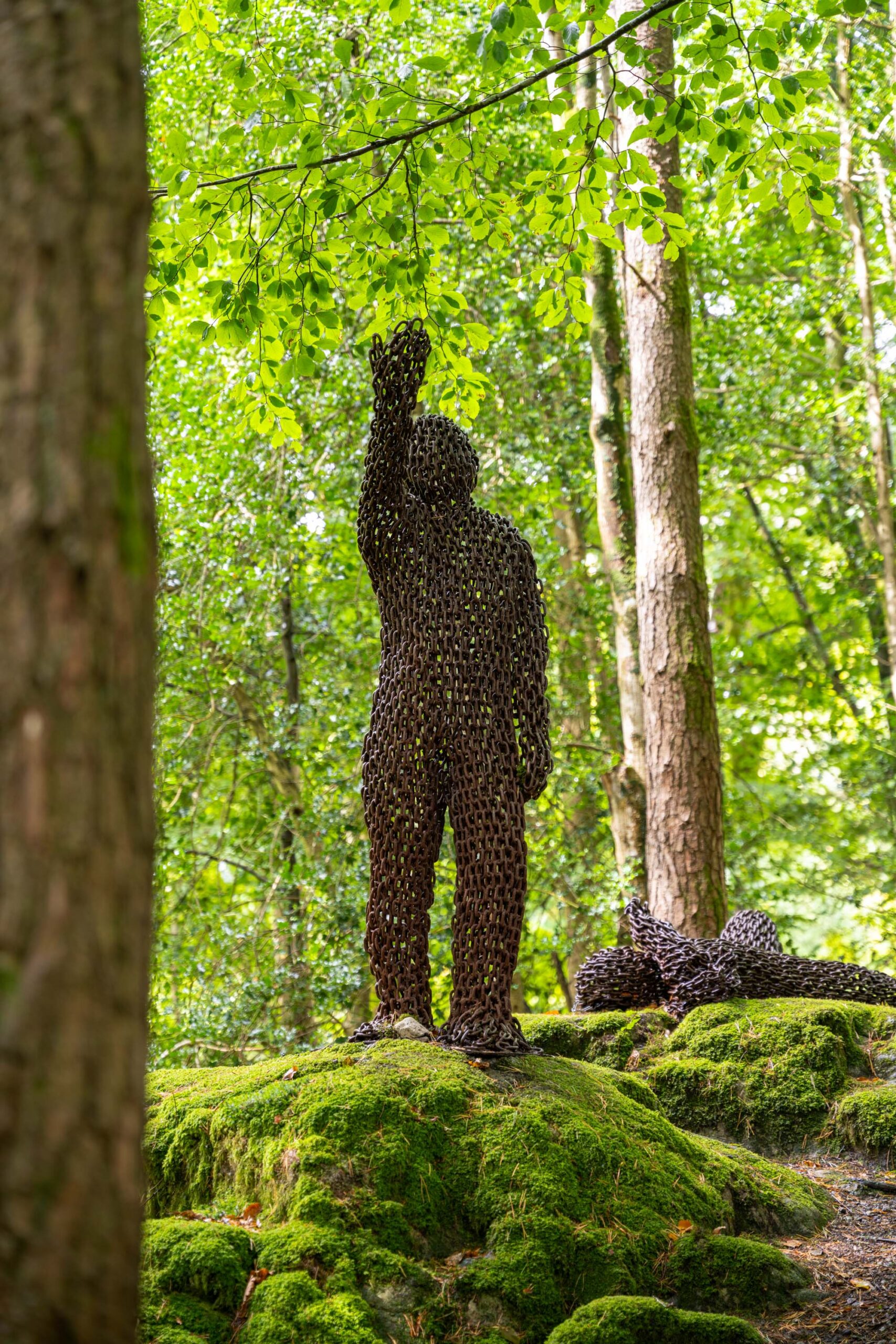
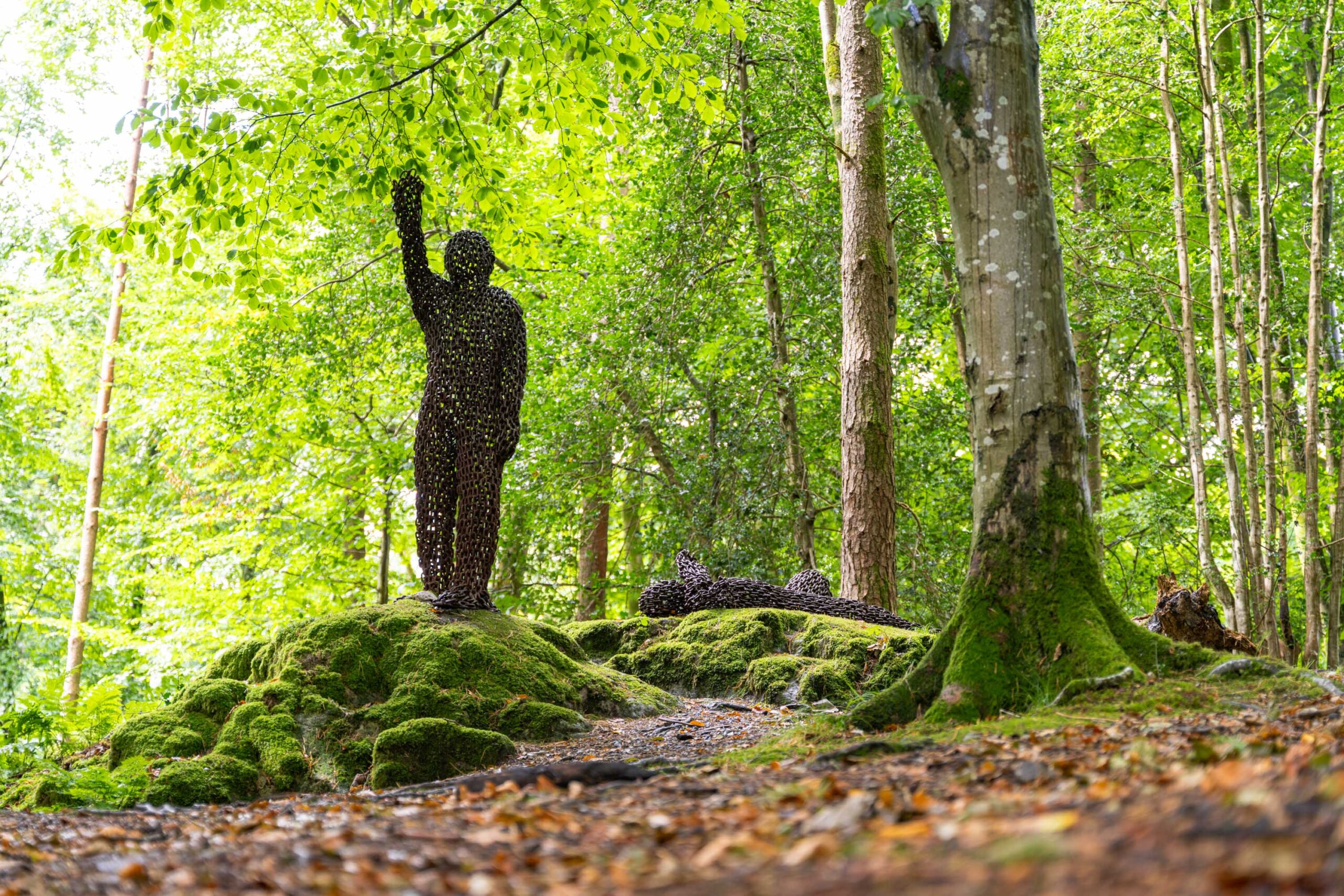
- There is a long history of art and artists being inspired by Rydal Hall and the surrounding valley. We have a range of sculptures and art installations throughout the grounds which can be explored by wandering around or by following one of our sculpture paths, all of which mysteriously lead back to the Cafe!
Rydal Hall Gardens
We're Featured In...
We are very proud that the Lakeland Horticultural magazine and the Great British Gardens website have both featured our stunning gardens.

Natural Beauty In The Lake District
Over 30 Acres Of Garden & Woodland
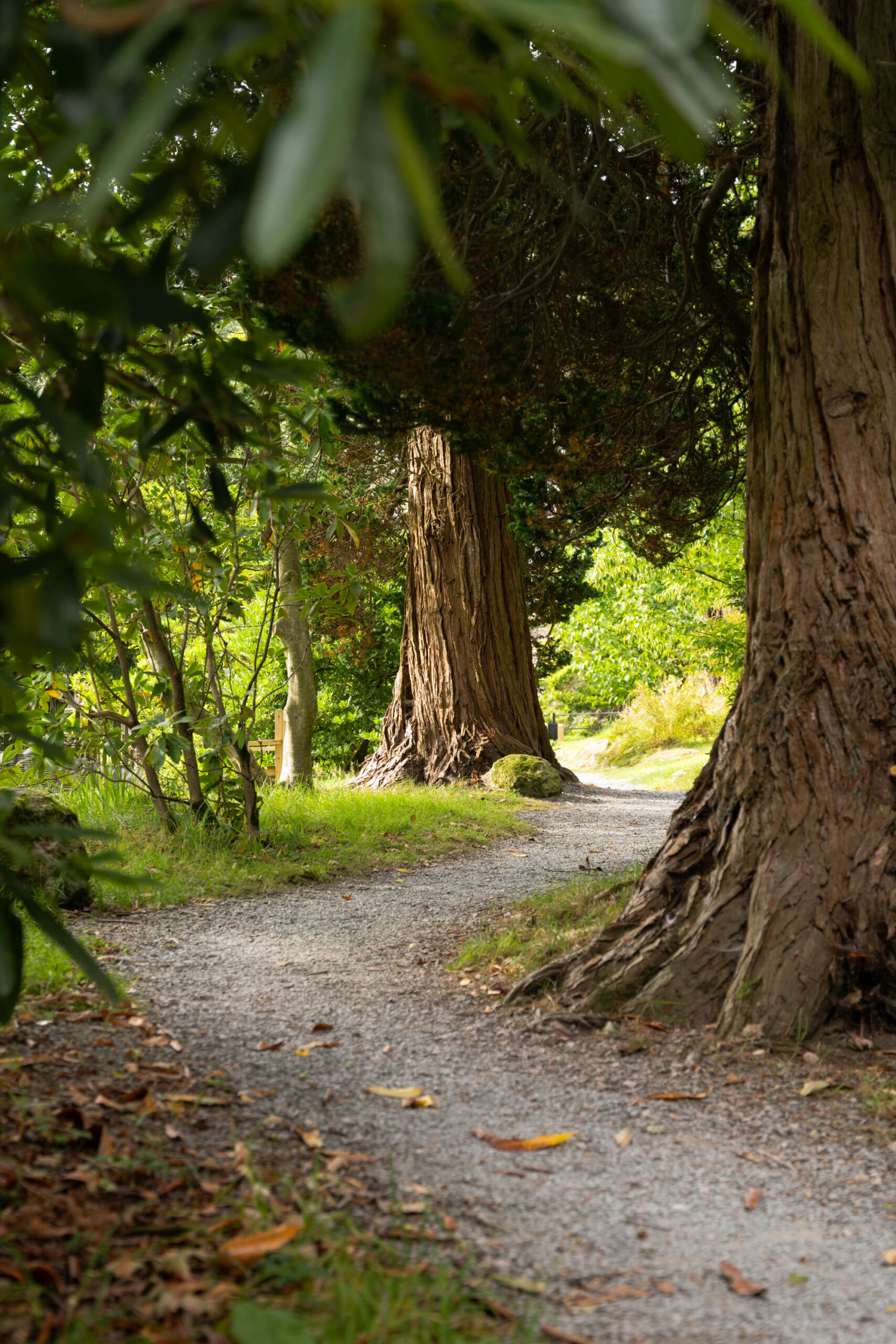
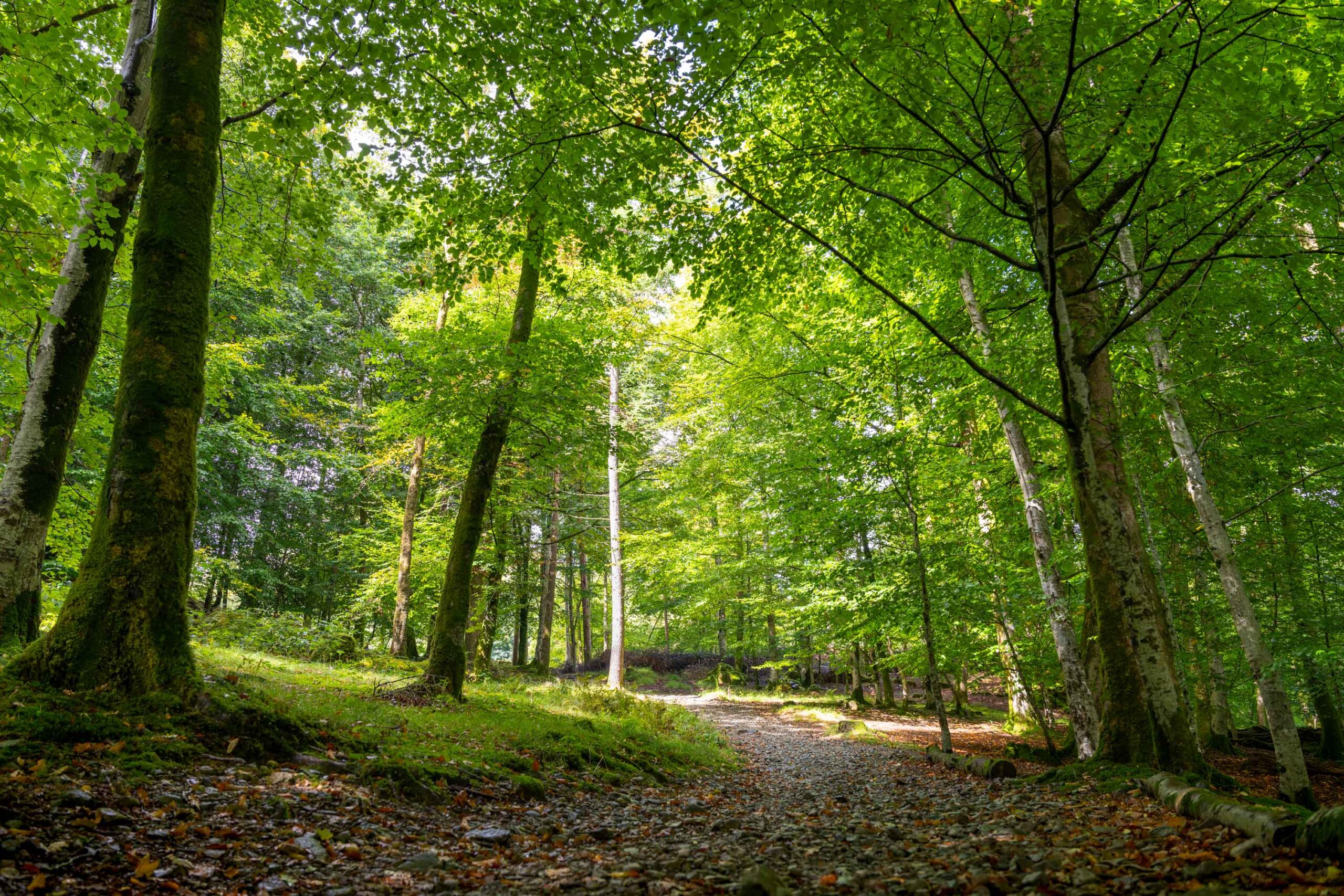
Rydal Hall is set in over thirty acres of garden, woodland and natural beauty in the Lake District. Around the grounds, you’ll also find sculptures and other points of interest, which make it fascinating to explore!
Rydal Hall works to enhance and protect its beautiful environment, and it has always welcomed creative partnerships. Our setting has a long history of inspiring creative people, and we continue to value that connection.
Rydal Hall And The Arts
Woodland Walk
Our Environment
Wild Pond Project
Flowers
Wild Garlic In The Grounds
Sculpture Designer
Dianne Standen
“My work is largely created from reused materials and wool, which weathers with the seasons. This means it is constantly changing and evolving with many pieces providing habitats for insect and fungal life. Most importantly the textiles are designed to blend with the natural environment and encourage exploration of the stunning natural forms, vegetation and mosses throughout the estate.”






Staying At Rydal
Looking To Stay Somewhere Extraordinary?
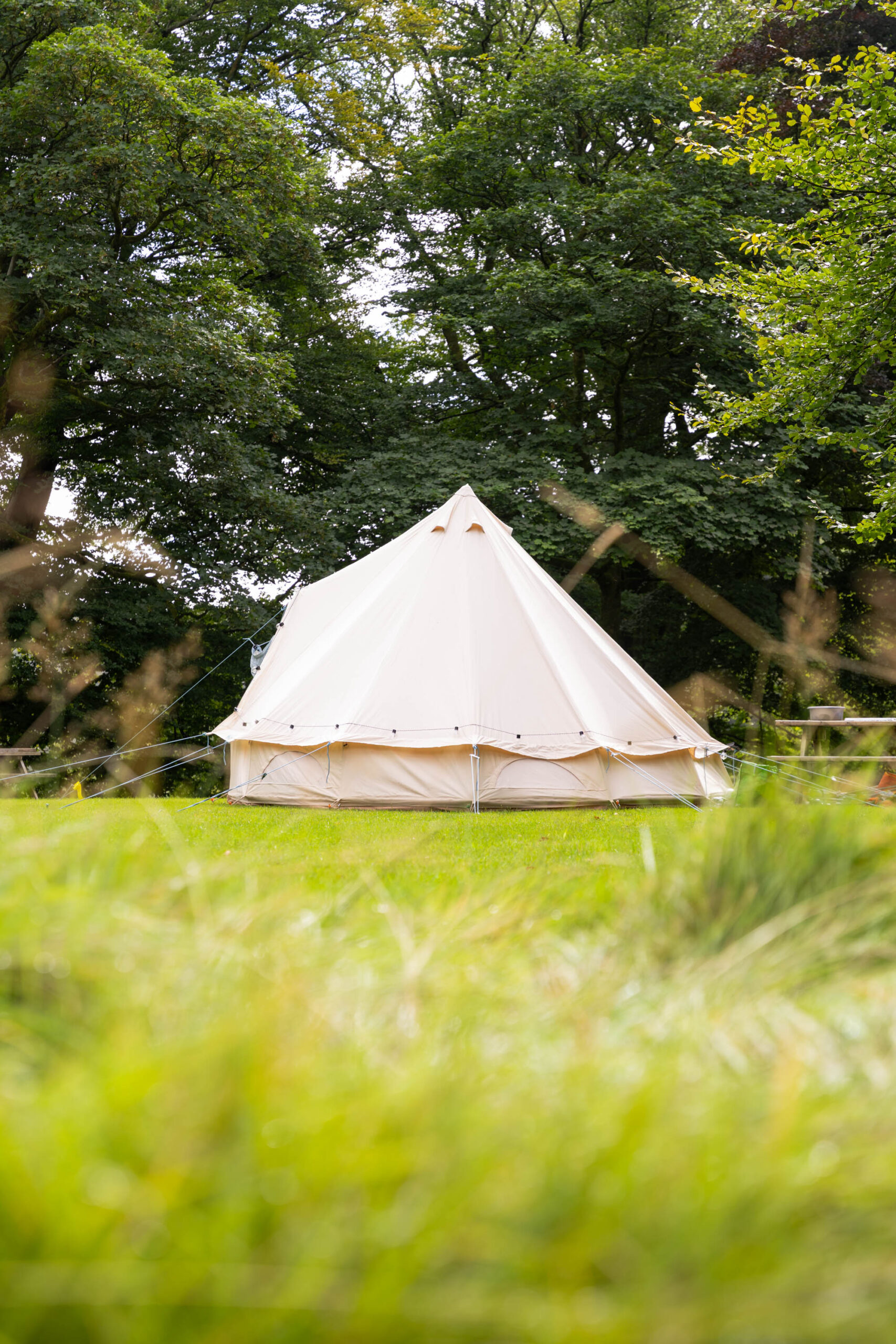
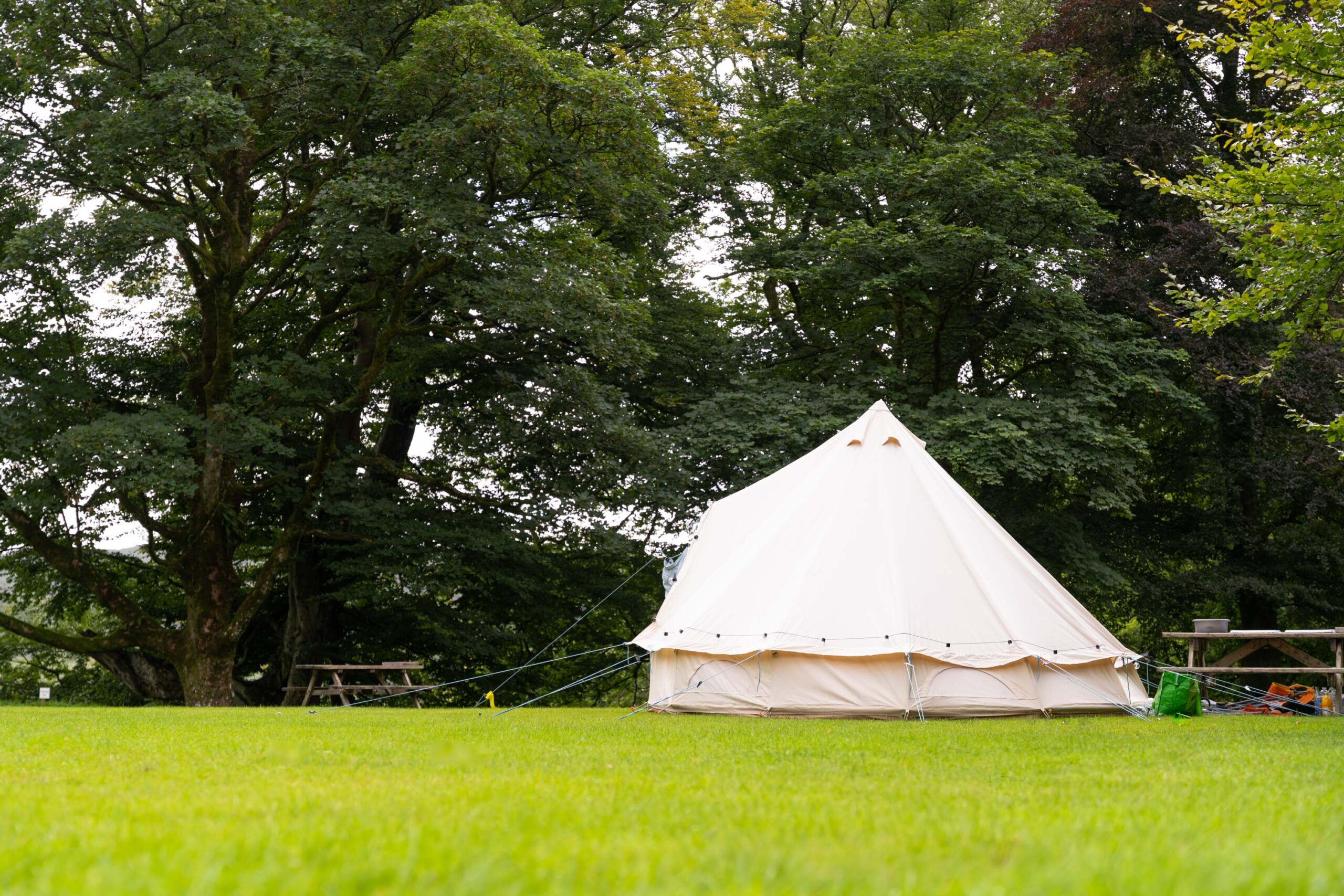
With Ensuite bedrooms, cottages, a campsite and cafe set within 30 acres of the stunning Lake District, Rydal Hall is a truly unique place to spend time.
Our Community
Subscribe
Subscribe to get details of special offers, information about upcoming retreats and to receive the latest newsletter.